How to Price Your Cricut Crafts for Sale is a crucial topic for crafters looking to turn their passion into profit. Understanding the nuances of pricing can significantly impact your sales and overall success in the crafting industry. By exploring various cost factors, market trends, and pricing strategies, you can ensure that your craft products are not only appealing to customers but also profitable for your business.
This guide will walk you through the essential steps of pricing your crafts, from identifying direct and indirect costs to evaluating your competition and adjusting prices based on market feedback. In doing so, it aims to equip you with the knowledge necessary to make informed pricing decisions that reflect both the value of your creations and the expectations of your target market.
Understanding Costs
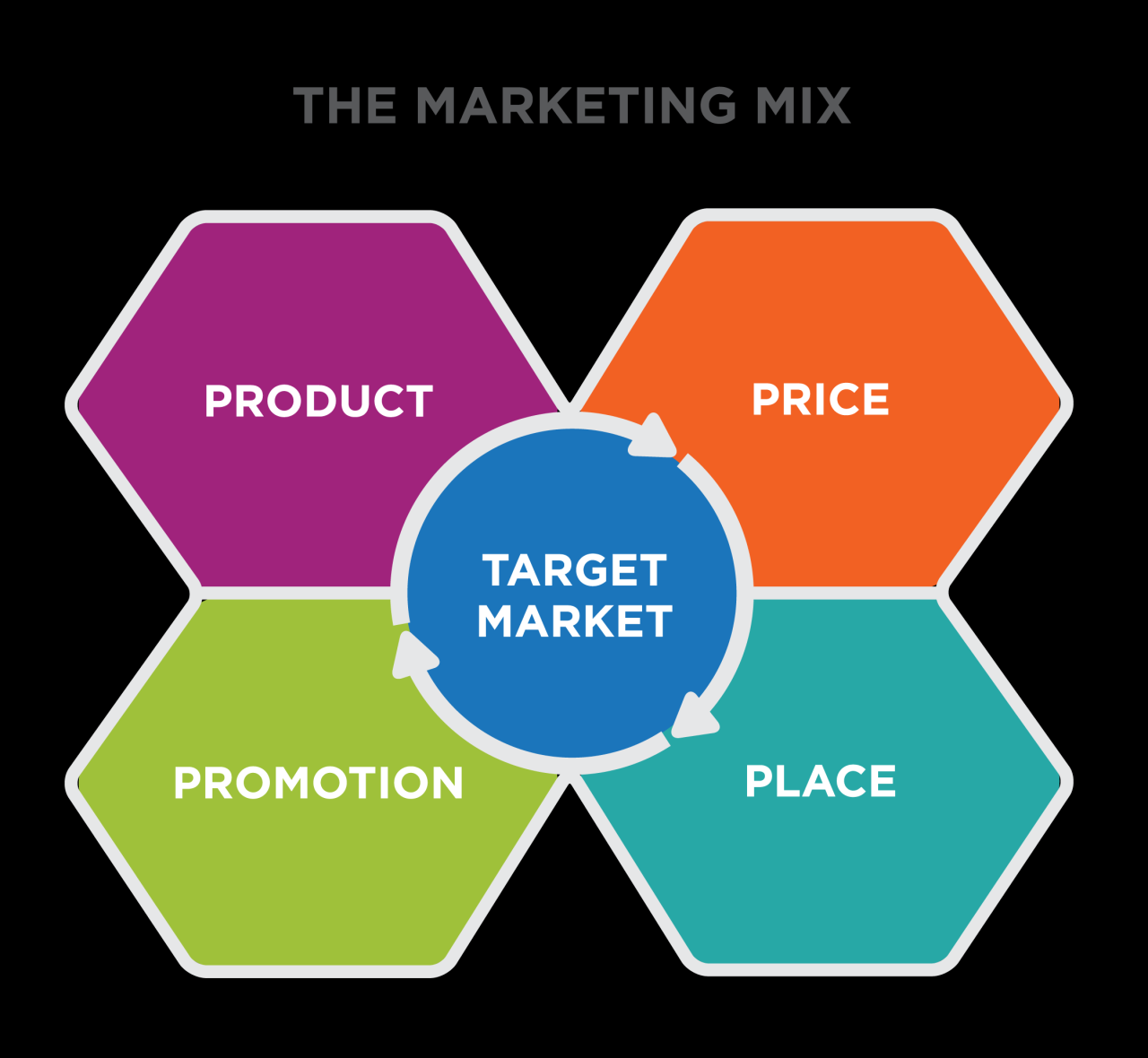
![The Marketing Mix | Introduction to Business [Deprecated]](https://yoklah.web.id/wp-content/uploads/2025/09/Price.png "The Marketing Mix | Introduction to Business [Deprecated]")
When pricing your Cricut crafts for sale, a comprehensive understanding of costs is essential. This involves identifying the various direct and indirect costs associated with crafting as well as calculating labor costs. An accurate assessment of these expenses will not only assist in setting competitive prices but also ensure profitability.Identifying and managing costs effectively is crucial for any craft-based business.
The first step is to distinguish between direct costs, which are expenses that can be directly attributed to the production of specific crafts, and indirect costs, which are broader expenses necessary to maintain the business.
Direct Costs
Direct costs are the tangible expenses incurred while creating a craft. These costs should be meticulously itemized to ensure an accurate pricing structure. The following list highlights typical direct costs associated with Cricut crafting:
- Materials: This includes items such as vinyl, cardstock, transfer tape, and adhesive, which are essential for crafting.
- Tools: The cost of the Cricut machine itself, along with additional tools like weeding tools, cutting mats, and pens.
- Shipping and Packaging: Expenses related to shipping products to customers and packaging materials, such as boxes and bubble wrap.
Indirect Costs
Indirect costs, while not directly linked to a specific product, still play a significant role in the overall pricing strategy. These costs can impact the financial health of your crafting business. Consider the following indirect costs:
- Utilities: Expenses such as electricity and water that support your crafting area.
- Marketing: Costs associated with promoting your crafts through social media, advertising, and website maintenance.
- Office Supplies: Any supplies needed for the business operations, including paper, ink, and administrative tools.
Labor Costs
Calculating labor costs is vital for establishing a sustainable pricing strategy. Often overlooked, labor costs directly affect the profitability of your crafting business. It is crucial to account for the time spent on each project, which includes conceptualization, design, production, and packaging. To calculate labor costs accurately, consider the following formula:
Labor Cost = Hourly Wage × Hours Spent on Project
For example, if you value your time at $20 per hour and spend 3 hours on a craft, the labor cost would be $60. Integrating this figure into your overall pricing will help ensure that you are compensated fairly for your skills and time invested in each project, ultimately contributing to the sustainability of your crafting business.
Market Research
Understanding market research is crucial for setting competitive prices for your Cricut crafts. Analyzing competitor pricing, evaluating customer willingness to pay, and gathering data on market trends can significantly influence your pricing strategy. By conducting thorough research, crafters can make informed decisions that cater to their target audience while maintaining profitability.
Analysis of Competitor Pricing
To remain competitive in the crafting market, analyzing the pricing strategies of similar crafts is essential. This process involves examining the prices set by competitors who offer comparable products. Begin by identifying local and online competitors that offer similar Cricut crafts. Consider the following methods for analysis:
- Competitor Comparison: Create a comparative chart that lists similar products along with their prices from various competitors. This will help in identifying price ranges and average pricing in your niche.
- Quality Assessment: Evaluate the quality and features of competitors’ crafts. Higher quality often justifies higher pricing, while lower-quality offerings may necessitate more competitive pricing to attract customers.
- Promotional Strategies: Observe promotional discounts and sales events in competitors’ pricing methods. Understanding these tactics can help you position your own pricing effectively.
Evaluation of Customer Willingness to Pay
Understanding what customers are willing to pay for your crafts is vital in setting appropriate prices. This can be gauged through various techniques:
- Surveys and Questionnaires: Conduct surveys among your target audience to gain insights into their purchasing behaviors and price sensitivity.
- Focus Groups: Organize focus group discussions with potential customers to gather qualitative data on their perceptions of value and price ranges for similar products.
- Test Pricing: Implement A/B testing with different price points on your products to observe which price yields the most sales.
Data Gathering on Market Trends
Staying informed about market trends within the crafting industry can provide valuable insights for pricing strategies. Implementing effective techniques for data gathering will enhance your understanding of the current market landscape:
- Industry Reports: Access reports from reputable market research firms that analyze trends and forecasts in the crafting industry. These reports can provide valuable statistics and insights related to consumer preferences.
- Social Media Insights: Monitor social media platforms to track trending products and customer feedback. Engaging with crafting communities can offer first-hand knowledge about what customers are seeking.
- Crafting Forums and Groups: Participate in online forums and groups dedicated to crafting. These platforms often share trends, tips, and real-life experiences that can inform your pricing decisions.
Pricing Strategies
Pricing is a crucial aspect of selling your Cricut crafts, as it directly impacts your profitability and market positioning. Understanding different pricing strategies can help you make informed decisions that align with your business objectives. This section explores various pricing models that can be utilized when determining the price of your crafts.
Pricing Models
Among the most common pricing models are cost-plus pricing and value-based pricing. Each of these strategies has unique features that can cater to different business needs.
1. Cost-Plus Pricing
This approach involves calculating the total cost of producing a craft, which includes materials, labor, and overhead, and then adding a markup percentage to derive the final selling price. For instance, if the total cost of creating a decorative wall art piece is $10 and you choose a markup of 50%, the selling price would be $15.
2. Value-Based Pricing
This strategy focuses on the perceived value of the craft to the customer rather than the actual production costs. It is essential to understand how your product meets customer needs, which may allow you to charge a premium price. For example, if your Cricut crafts are uniquely designed and cater to a specific niche market, you might price a custom-made item at $30, based on the value it provides to customers who are willing to pay for exclusivity.
Comparison of Pricing Strategies
Evaluating the benefits and drawbacks of each pricing strategy can provide insights into which approach may be more suitable for your business. Below is a comparison of cost-plus and value-based pricing.
| Pricing Strategy | Pros | Cons |
|---|---|---|
| Cost-Plus Pricing |
|
|
| Value-Based Pricing |
|
|
Selecting a Pricing Strategy
Choosing an appropriate pricing strategy should reflect your business goals and target market. Consider the following factors when making your selection:
Cost Structure
Assess your total costs to ensure that you can maintain profitability under your chosen pricing model. If your production costs are high, cost-plus may be more reliable.
Market Positioning
Determine how you want to position your crafts in the market. If you aim for a premium segment, value-based pricing may suit you better.
Customer Insights
Gather data on customer preferences and their willingness to pay. Conduct surveys or analyze competitor pricing to inform your strategy.
Sales Volume Goals
If your goal is to achieve high sales volume, consider a pricing strategy that allows for competitive pricing, such as cost-plus pricing.By taking these factors into account, you can select a pricing strategy that aligns with both your business ambitions and your customers’ expectations.
Perceived Value
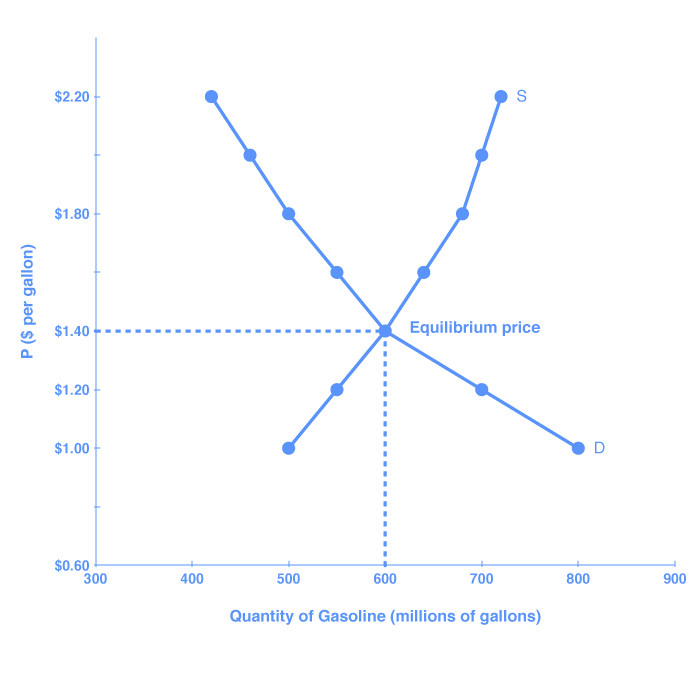
Perceived value is a crucial concept in pricing strategy, particularly for handmade crafts. It refers to the worth that a customer believes a product has, which may differ from its actual cost. This perception can significantly influence buying decisions, as customers often make purchases based on their feelings and beliefs rather than purely on price.The influence of perceived value on pricing stems from several factors, including brand reputation, product quality, and the overall customer experience.
When customers perceive a product as high-quality or unique, they are often willing to pay a premium price. This is where branding plays a significant role, as effective branding can elevate perceived value and differentiate a product in a competitive market.
Branding and Its Impact on Perceived Value
Branding is instrumental in enhancing the perceived value of your crafts. A strong brand identity can communicate quality, exclusivity, and trustworthiness, making customers more inclined to purchase at higher price points. Examples of how branding can elevate perceived value include:
- Consistent Visual Identity: Utilizing cohesive colors, fonts, and overall design across all products and marketing materials creates a recognizable brand aesthetic that appeals to customers.
- Storytelling: Sharing the story behind your crafts, such as the inspiration, craftsmanship, or materials used, adds emotional depth that resonates with customers, enhancing perceived value.
- Packaging: Thoughtfully designed packaging not only protects the product but also serves as a marketing tool. High-quality, attractive packaging can make a product feel more luxurious and worth a higher price.
- Customer Engagement: Building a community around your brand through social media and customer interactions fosters loyalty and enhances the perceived value of your products as customers feel emotionally connected.
Creating a unique selling proposition (USP) is vital in a saturated market, as it clearly communicates what sets your crafts apart from others. A well-defined USP not only aids in pricing strategies but also strengthens your brand identity. Consider the following strategies for developing a compelling USP:
- Niche Focus: Specialize in a specific type of craft or target a particular audience. For example, if you create Cricut crafts for eco-conscious consumers, this niche can set your brand apart.
- Customization Options: Offering personalized or customizable products adds significant value for customers seeking unique gifts or items tailored to their preferences.
- Quality Materials: Highlight the use of high-quality or sustainable materials in your crafts. This aspect can attract customers willing to pay more for products that align with their values.
- Unique Designs: Develop original designs that cannot be easily replicated. This exclusivity can create a sense of urgency in customers, making them more willing to pay a premium price.
In conclusion, perceived value greatly influences pricing strategies for your Cricut crafts. By focusing on branding and developing a unique selling proposition, you can enhance the perceived value of your products, leading to increased sales and customer loyalty.
Adjusting Prices
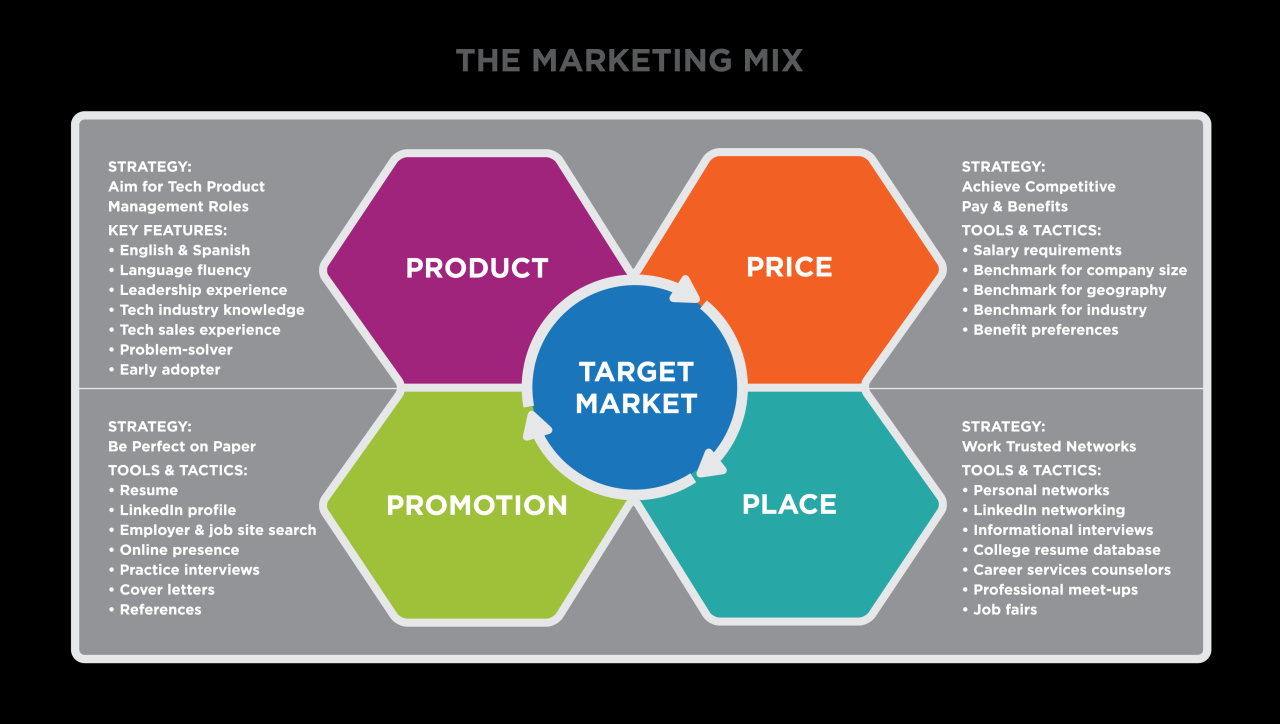
In the dynamic world of crafting and sales, it is essential to regularly assess and adjust the prices of your Cricut crafts. Changes in market conditions, production costs, and customer preferences can influence the pricing strategy you implement. This segment will explore the factors that may necessitate price adjustments, how to gather customer feedback to inform your pricing decisions, and the importance of monitoring sales data.
Factors Necessitating Price Adjustments
Several factors may compel you to revise your pricing strategy. These factors include changes in the cost of materials, fluctuations in demand, or shifts in market competition. Understanding these influences can help you maintain a competitive edge and ensure that your pricing reflects the value of your crafts.
- Material Costs: Increases in the price of raw materials can directly affect your production costs. If you find that your materials have become more expensive, it may be necessary to raise your prices to maintain profitability.
- Market Demand: Seasonal trends can cause variations in demand for certain crafts. For instance, prices may need to be adjusted higher during peak holiday seasons when demand surges.
- Competitive Landscape: Regularly analyzing competitors’ pricing can help you identify whether your prices are competitive. If similar products are priced lower, it may necessitate a price adjustment to remain appealing to customers.
Gathering Customer Feedback
Customer feedback is invaluable when determining the appropriateness of your pricing. Engaging with your customers can provide insights into how they perceive the value of your crafts, which can inform your pricing strategy.
- Surveys: Implementing customer surveys can yield direct feedback regarding pricing perceptions. Questions about willingness to pay can reveal how your prices align with customer expectations.
- Social Media Engagement: Social platforms offer an opportunity for interaction. Posting about your products and inviting comments can help gauge customer responses to your pricing.
- Sales Performance Analysis: Monitoring which products sell well at specific price points can indicate customer sensitivity to price changes, allowing for informed decisions regarding adjustments.
Monitoring Sales and Adjusting Prices
Ongoing analysis of your sales data is crucial for effective price management. By closely tracking sales trends, you can identify which products perform best at certain price points and make informed adjustments as needed.
- Sales Reports: Regularly reviewing sales reports will help you understand which items are underperforming. If certain crafts do not sell well, it may be beneficial to lower the price to encourage purchases.
- Customer Purchasing Patterns: Analyzing purchasing patterns can highlight shifts in consumer behavior, informing necessary price adjustments to align better with market demand.
- Testing Price Variations: Implementing A/B testing for different pricing strategies on the same product can reveal the most effective price point for maximizing sales without compromising perceived value.
Legal Considerations
Understanding the legal landscape surrounding the sale of handmade crafts is crucial for any entrepreneur. Pricing your Cricut crafts not only involves setting a fair price based on costs and market conditions but also requires compliance with local regulations. Familiarity with these regulations ensures that your business operates within the law, thus protecting you from potential fines and enhancing your credibility as a seller.
Local Regulations on Handmade Goods
Navigating local regulations is an essential aspect of pricing your crafts. Laws vary significantly from one region to another; therefore, it’s vital to research the specific regulations that apply to your area. Below are key considerations regarding local regulations:
- Business Licenses: Many jurisdictions require a permit or license for selling products, even if they are handmade. Ensure that you acquire any necessary licenses to avoid legal complications.
- Labeling Requirements: Certain regions mandate specific labeling for handmade goods, especially if they contain materials that could cause allergies. Compliance with these requirements not only keeps you legally sound but also builds trust with your customers.
- Health Regulations: If your crafts involve food items or items that could come into contact with food, be aware of the health and safety regulations governing these products. Non-compliance can lead to severe penalties.
- Craft Fairs and Markets: If selling at craft fairs or markets, check for additional regulations that may apply. Event organizers often have specific guidelines regarding sales practices and product types.
Sales Tax Management
Managing sales tax correctly is integral to pricing your crafts. Sales tax laws differ widely depending on your state or country, and misunderstanding these can lead to financial and legal difficulties. Here are some important points to consider regarding sales tax:
- Understanding Tax Rates: Familiarize yourself with the sales tax rate applicable in your region. This may vary based on the product type and location of sale.
- Collecting Sales Tax: If your region mandates the collection of sales tax, ensure you incorporate this into your pricing strategy. This may involve adding the tax to the final sale price or clearly stating it as a separate line item at checkout.
- Filing Requirements: Understand how often you need to file sales tax returns. Some regions require monthly filings, while others may allow quarterly or annual submissions.
Consumer Protection Laws
Consumer protection laws are designed to ensure fairness in the marketplace and affect how you price your products. These laws encompass various aspects of selling, including advertising practices, product safety, and customer service obligations. Familiarizing yourself with these laws can prevent legal issues and enhance customer satisfaction. Key points include:
- Truth in Advertising: Ensure that your advertising accurately represents your crafts. Misleading claims can lead to legal challenges.
- Returns and Refunds: Clearly state your return policy, adhering to local consumer protection laws. Customers should know their rights regarding refunds or exchanges.
- Warranties and Guarantees: If offering warranties or guarantees, ensure these terms are clear and compliant with consumer laws.
For further information and resources, the Small Business Administration (SBA) and local chambers of commerce often provide guidance on legal matters relevant to small businesses and handmade goods. Additionally, websites such as LegalZoom and Nolo offer comprehensive resources for understanding local regulations, managing taxes, and navigating consumer protection laws.
Marketing Your Prices
Effectively communicating your pricing strategy is essential for attracting and retaining customers. A well-structured price presentation not only informs potential buyers but also builds trust and encourages them to make a purchase. As a seller of Cricut crafts, your pricing should reflect the quality of your products while remaining competitive within your target market.To market your prices effectively, consider the following strategies that can help you convey the value of your offerings while appealing to your audience’s financial considerations.
Communicating Value Through Pricing
When setting prices for your crafts, it is crucial to highlight the quality and craftsmanship that justify your pricing. This can be achieved through various methods:
- Clear Pricing Displays: Use easy-to-read labels and descriptions that clearly Artikel the price, along with any unique features or materials used in the product. For instance, showcasing a handcrafted item with high-quality materials can emphasize its value.
- Storytelling: Share the story behind your crafts on your website or social media. Explain the inspiration, the crafting process, and the care that goes into each piece. This can create an emotional connection that makes customers willing to pay a premium.
- Comparative Pricing: Position your prices against similar products within your niche to demonstrate competitive pricing. Use this approach to show that your crafts offer excellent value for the quality provided.
Promotions and Discounts
Implementing promotions and discounts can be an effective way to attract customers while still ensuring profitability. Here are some promotional strategies that can enhance your sales:
- Seasonal Sales: Create limited-time offers during holidays or shopping seasons. For example, a Valentine’s Day promotion on personalized gifts can attract buyers looking for unique presents.
- Bundle Offers: Encourage larger purchases by offering discounts on bundled items. For instance, selling a set of themed Cricut crafts at a reduced price can appeal to customers looking for coordinated decorations.
- Loyalty Programs: Develop a program rewarding repeat customers with discounts on future purchases. This strategy fosters customer loyalty and encourages them to return to your store.
Leveraging Social Media for Pricing Strategy
Social media platforms provide an excellent channel to showcase your pricing strategy while building brand awareness. Effectively using these platforms can enhance customer engagement and drive sales.
- Visual Content: Share high-quality images and videos of your crafts, preferably in use or displayed attractively. For example, showing a custom-made invitation in a real-life setting can highlight its appeal and justify its price.
- Price Announcements: Utilize posts and stories to announce promotional prices or new products. Creating urgency with countdowns or limited-time offers can prompt quicker buying decisions.
- Engagement through Feedback: Encourage your audience to share their thoughts on pricing through polls or comments. Engaging directly with customers can provide insights into their perception of your pricing and help you make necessary adjustments.
“Transparent pricing and effective communication build trust and drive customer loyalty.”
Case Studies
In the realm of crafting, effective pricing strategies can significantly impact the success of a small business. This section explores real-life examples of crafters who have successfully navigated the complexities of pricing their products, as well as those who faced challenges due to poor pricing decisions. By examining these case studies, we can glean valuable insights into the dynamics of niche markets and the importance of strategic pricing.
Success Stories of Crafters
Numerous crafters have achieved remarkable success by implementing effective pricing strategies. One such example is a small business specializing in personalized vinyl decals. The owner conducted thorough market research, identifying the average price point for similar products. By pricing their items slightly below the market average while still ensuring quality, they attracted a loyal customer base, leading to a 50% increase in sales within the first year.Another success story comes from a crafter who focused on handmade jewelry.
They initially struggled to find the right pricing but eventually adopted a value-based approach. By highlighting the unique materials used and the craftsmanship involved, they were able to price their jewelry at a premium, resulting in higher profit margins and an expanding customer demographic.
Analysis of Failed Pricing Strategies
While success stories abound, there are also lessons to be learned from failed pricing strategies. A notable case involved a crafter who underpriced their handmade candles to compete with larger retailers. Although this initial strategy attracted customers, it soon became unsustainable. The low prices failed to cover production costs, leading to significant financial losses. This situation illustrates the importance of understanding not just competition, but also one’s own costs and value proposition.Another instance involved a crafter who priced their custom T-shirts too high without adequately communicating the quality and uniqueness of their designs.
The lack of perceived value led to stagnant sales. This case emphasizes the critical need for crafters to align their pricing with customer expectations and the overall market landscape.
Examples of Niche Markets and Pricing Dynamics
Niche markets present unique pricing dynamics that can significantly influence how products are positioned. For example, a business focusing on eco-friendly crafting supplies has found success by leveraging the increasing demand for sustainable products. By positioning their prices slightly above conventional alternatives, they highlight the environmental benefits, thus appealing to a specific customer base willing to pay more for sustainability.Additionally, a crafter concentrating on wedding decorations discovered that offering tiered pricing based on customization level allowed them to cater to diverse customer budgets.
By providing several options—from basic designs at a lower price point to fully customized creations at a premium—they successfully attracted a wider audience while maximizing profit potential.In summary, understanding the intricacies of pricing strategies within niche markets can empower crafters to make informed decisions that align with their business goals and customer expectations.
Closing Notes
In conclusion, mastering the art of pricing your Cricut crafts is essential for achieving business success while ensuring customer satisfaction. By understanding your costs, conducting market research, and implementing effective pricing strategies, you can build a sustainable crafting business that thrives in a competitive marketplace. Remember, the right pricing not only showcases the value of your work but also enhances your brand and customer relationships in the long run.