How to Organize Your Cricut Craft Supplies is not just a practical guide; it is an invitation to transform your crafting experience. An organized workspace can unleash creativity, streamline projects, and enhance the overall enjoyment of crafting. This overview will delve into the significance of organization within the world of Cricut crafting and illustrate how a well-arranged space can lead to more efficient and inspiring creative sessions.
In this discussion, we will explore the diverse range of Cricut supplies, from vinyl and papers to essential tools. We will emphasize the importance of categorizing these items, effective storage solutions, and the impact of a clutter-free workspace on your crafting journey. Let’s embark on this organizational adventure together!
Introduction to Organizing Cricut Craft Supplies
A well-organized crafting space can significantly enhance creativity and productivity, particularly when it comes to using Cricut machines and supplies. Crafting with a Cricut involves various tools and materials, each serving a specific purpose in your projects. When these supplies are neatly arranged and easily accessible, it can lead to a smoother crafting experience, reducing frustration and saving valuable time.Cricut supplies encompass a wide array of items, including cutting mats, blades, various types of vinyl, cardstock, transfer tape, and tools such as weeding and scoring tools.
Each supply plays a distinct role; for example, vinyl is used for creating decals, while cardstock is perfect for making greeting cards or intricate paper designs. Understanding the function and organization of these materials is essential for maximizing their use and ensuring a pleasant crafting experience.
Common Cricut Supplies and Their Uses
Effective organization starts with a clear understanding of the common supplies you will be using in your Cricut projects. Having an overview of these materials will assist in determining the best organizational methods for your workspace.
- Cricut Cutting Mats: These mats come in different tack levels for various materials and are essential for holding your project in place during cutting.
- Cricut Blades: Replacement blades (fine point, deep point, etc.) are crucial for achieving precise cuts on different materials.
- Vinyl: Available in permanent, removable, and heat transfer varieties, vinyl is used for creating designs on surfaces like walls or clothing.
- Cardstock: This heavier paper type is ideal for creating cards, scrapbook pages, and intricate designs.
- Transfer Tape: Used to transfer vinyl designs onto surfaces without losing shape or alignment.
- Weeding Tools: Essential for removing excess material from your designs, ensuring clean and professional results.
- Scoring Tools: These tools create folds in cardstock for projects like cards and boxes.
An organized workspace allows for easy access to these supplies, facilitating a more enjoyable crafting experience. When supplies are sorted and stored logically, you can efficiently find what you need, reducing the time spent searching for materials and ultimately increasing your crafting output.
“A clutter-free space is a catalyst for creativity, allowing the imagination to flow without unnecessary interruptions.”
Categorizing Supplies
Categorizing your Cricut craft supplies is a vital step in creating an organized crafting workspace. By properly sorting your materials, you not only enhance your efficiency but also simplify the process of locating what you need when inspiration strikes. Understanding the various categories of supplies will help you streamline your crafting experience.Effective organization involves sorting your supplies into specific categories, such as vinyl, tools, and papers.
By utilizing containers or bins tailored to each category, you can maintain an orderly workspace that encourages creativity and productivity. This method ensures that all materials are easily accessible while preventing clutter and disarray.
Cricut Supply Categories
Identifying essential supplies within each category allows for a systematic approach to organization. The following categories encompass the primary materials needed for successful Cricut projects, along with methods for organizing them.
- Vinyl: One of the most popular materials for Cricut projects, vinyl comes in various finishes and colors.
- Adhesive Vinyl
- Heat Transfer Vinyl (HTV)
- Permanent Vinyl
- Tools: Essential tools contribute to the precision and quality of your crafting.
- Cricut Cutting Machine
- Weeding Tools
- Scraper, Spatula, and Tweezers
- Papers: Various paper types are used for a range of projects.
- Cardstock
- Patterned Paper
- Specialty Paper (e.g., glitter, holographic)
Storing supplies in clearly labeled containers or bins further enhances organization. Utilize clear bins to easily view contents, or color-code them according to categories for quick identification. For example, stackable bins can save space while keeping your vinyl sorted by color or material type. Implementing these methods will create an efficient and visually appealing crafting area, ensuring that your Cricut projects can be executed with ease and enjoyment.
Storage Solutions

Organizing your Cricut craft supplies effectively requires a thoughtful approach to storage. By utilizing various storage solutions, you can ensure that your materials are easily accessible, neatly arranged, and well-protected. This section explores several storage options tailored for Cricut supplies, offering insights into their benefits and practical applications.
Variety of Storage Options
When considering storage for your Cricut supplies, it is essential to evaluate various options that cater to different needs. Here are some effective storage solutions:
- Drawer Organizers: These are ideal for keeping small supplies like blades, weeding tools, and pens organized. Drawer organizers can be customized to fit any drawer size, allowing you to maximize space efficiently.
- Shelves: Open shelves provide a great way to display frequently used items while keeping them within reach. They are suitable for larger items like mats and machines, as well as containers for smaller supplies.
- Clear Containers: Using clear plastic containers enhances visibility, making it easy to identify supplies at a glance. These containers can be stacked or placed in drawers, keeping materials tidy and accessible.
- Rolling Carts: A rolling cart can be a flexible storage solution, providing mobility for crafting sessions. You can organize supplies by type or project and move them wherever you need.
- Cabinets: For those with a larger supply collection, cabinets with shelves or doors can keep everything secure and dust-free. This is particularly useful for long-term storage of less frequently used items.
Comparison Table of Storage Solutions
Understanding the differences between storage options can help you make informed decisions. Below is a comparison table that highlights key attributes of various storage solutions based on size, price, and accessibility.
| Storage Solution | Size | Price Range | Accessibility |
|---|---|---|---|
| Drawer Organizers | Small to Medium | $10 – $30 | Moderate |
| Shelves | Medium to Large | $20 – $100 | High |
| Clear Containers | Small to Medium | $5 – $25 | High |
| Rolling Carts | Medium | $50 – $150 | Very High |
| Cabinets | Large | $100 – $300 | Moderate |
Using Clear Containers for Visibility
Clear containers play a crucial role in maintaining organization and efficiency in your crafting area. Their transparent nature allows for immediate identification of contents, reducing time spent searching for specific supplies. Here are some effective ways to maximize the use of clear containers:
- Group similar items together, such as vinyl rolls, transfer sheets, or tools, to create a streamlined approach to organization.
- Label each container for even quicker access, indicating the type of materials stored within.
- Utilize different sizes of clear containers to accommodate various supply dimensions, ensuring that every item has a designated place.
- Stack containers vertically to save space, especially in areas where horizontal room is limited. This method not only conserves space but also enhances visibility.
Labeling and Inventory
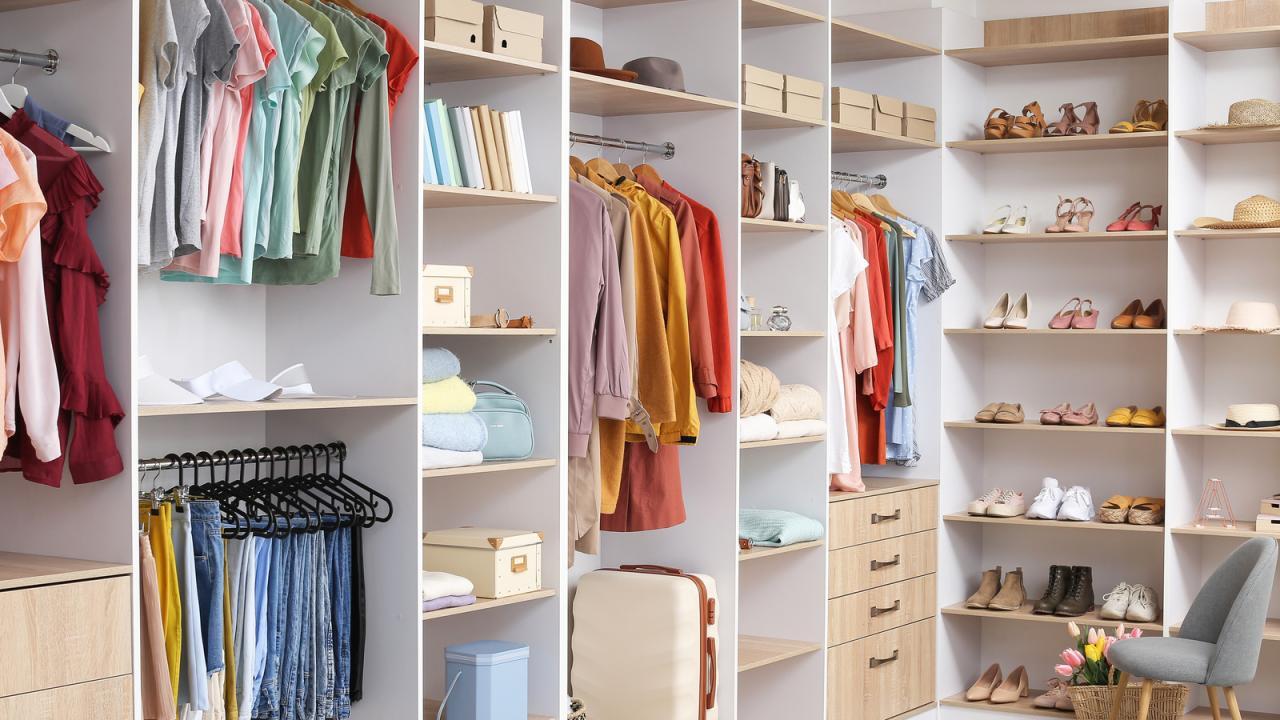
Organizing your Cricut craft supplies effectively requires a robust labeling and inventory system. Proper labeling not only enhances accessibility but also helps maintain an orderly workspace, allowing you to focus more on your creative projects. An efficient inventory system is equally important as it aids in tracking supplies, ensuring that you are always prepared for your next crafting endeavor.Labeling storage containers is an essential step in creating an organized workspace.
Begin by selecting appropriate containers that fit your supplies well. Use labels that are easy to read and understand. Clearly mark each container with its contents, utilizing either digital or handwritten labels. Digital labels can be printed using label-making software, allowing for uniformity and professional appearance. Conversely, handwritten tags add a personal touch and can be customized quickly.
Labeling Techniques
Implementing effective labeling techniques can significantly enhance your craft organization. Here are several methods to consider for labeling your Cricut supplies:
- Digital Labels: Use label-making software or online design tools to create digital labels. These can be printed on adhesive paper for a sleek and uniform look. For instance, using a Cricut machine itself can allow you to cut vinyl labels tailored for your containers.
- Handwritten Tags: For a more personal approach, create handwritten tags using colored cardstock or tag paper. Use markers or pens that stand out and ensure legibility.
- Color Coding: Implement a color-coding system where different colors represent various categories of supplies. This visual cue can expedite the process of locating items.
- Clear Containers: Utilize clear storage bins wherever possible, allowing for the visibility of contents. Pair these with simple labels to indicate categories or specific items.
- Labeling Templates: Design templates for your labels that include not just the item’s name but also other relevant information, such as quantities and reorder levels. This can help in maintaining a well-stocked inventory.
Establishing an inventory system is crucial for tracking your Cricut supplies and planning for future projects. Begin by creating an inventory list that details all supplies, categorized by type. Use a spreadsheet or inventory management software to keep everything organized. Include columns for the item name, quantity, reorder threshold, and location within your storage.Regular updates to your inventory list are necessary to ensure accuracy.
This can include noting when items are used, reordered, or received. Setting reminder alerts for low stock levels can help you avoid running out of essential materials. For example, if you find that you consistently use a specific type of vinyl, set a reminder to check your inventory once a month to assess stock levels.
“A well-maintained inventory is not just about tracking supplies; it empowers creativity by ensuring you have what you need, when you need it.”
In summary, an organized labeling and inventory system is fundamental to maximizing your crafting efficiency. By implementing clear labeling techniques and a thorough inventory system, you can ensure that your Cricut supplies are always ready for your next project.
Workspace Organization
An effectively organized workspace is a cornerstone of successful crafting, particularly when utilizing a Cricut machine. Having a dedicated area specifically for your craft supplies not only enhances productivity but also fosters creativity. The arrangement of tools and materials can significantly impact your crafting experience, ensuring that everything you need is accessible and well-arranged.Creating an organized crafting workspace involves strategic planning and thoughtful layout.
The primary goal is to ensure that all tools and supplies are within arm’s reach while maximizing available space, allowing for a seamless crafting process.
Techniques for Organizing the Crafting Workspace
To achieve an organized workspace, various techniques can be employed. Keeping tools and supplies within reach minimizes distractions and enhances efficiency while crafting. Consider the following key strategies for organizing your Cricut workspace:
- Designate Zones: Divide your workspace into distinct zones based on function. For instance, create specific areas for cutting, weeding, and applying materials. This prevents clutter and facilitates a streamlined workflow.
- Use Vertical Space: Install shelving or pegboards to take advantage of vertical space. This not only frees up your work surface but also allows for easy access to tools and supplies. Hooks can be used for scissors and weeding tools, while shelves can hold materials and Cricut accessories.
- Implement a Rolling Cart: A mobile cart can serve as a versatile storage solution. It can hold frequently used items, making it easy to move them closer when needed and tuck them away when not in use.
- Utilize Drawer Organizers: Keep small items like blades, pens, and adhesive in drawer organizers. This prevents them from becoming lost and allows for quick identification and access.
- Maintain a Clean Surface: Regularly declutter your workspace to maintain an organized environment. A clean surface allows for increased focus and creativity without the distraction of excess materials.
Importance of Accessibility
The accessibility of tools and supplies plays a vital role in crafting efficiency. When everything is within reach, it reduces the time spent searching for items, allowing for more productive crafting sessions.
“An organized workspace is not just about aesthetics; it’s about functionality and ease of access.”
Creating a Layout Plan for an Organized Cricut Workspace
When designing your Cricut workspace layout, it is essential to consider the flow of movement and accessibility. Here are practical steps to create an effective layout plan:
- Identify Key Equipment: Start by determining where your Cricut machine will be located, ensuring it has adequate space for operation and maintenance.
- Plan for Workflow: Arrange your workspace based on the sequence of tasks. Position your cutting station near your supply storage and weeding tools, so you can transition smoothly from one task to the next.
- Consider Ergonomics: Ensure that your workspace is at a comfortable height to avoid strain. Your cutting machine should be at a level that allows you to stand or sit comfortably while working.
- Incorporate Natural Light: If possible, position your workspace near a window to take advantage of natural light, enhancing visibility and creating a more inviting environment.
- Test and Adapt: After setting up your layout, use it for a period to identify any areas for improvement or adjustments. Flexibility is key to finding the optimal arrangement for your crafting needs.
Maintenance of Organization
Maintaining an organized space is crucial for any Cricut enthusiast, ensuring that supplies are easily accessible and manageable. Regular upkeep of your craft area not only enhances productivity but also fosters a creative environment where inspiration can thrive. Establishing a routine for organization helps prevent clutter and keeps your supplies in top condition.To maintain an organized craft area, it is essential to incorporate regular maintenance routines.
One effective strategy is to set aside time each month for a thorough review of your supplies. This allows you to assess what materials you have, evaluate their condition, and determine if any items are no longer needed. Additionally, creating a decluttering plan can help streamline this process.
Regular Maintenance Routines
Implementing consistent routines can significantly impact the organization of your Cricut supplies. Here are key practices to follow:
- Schedule Monthly Inventory Checks: Dedicate time to go through your supplies, making a note of what is running low or needs replacement.
- Clean and Organize on a Weekly Basis: Allocate a few minutes each week to tidy up your workspace, ensuring that items are returned to their designated spots.
- Rotate Seasonal Supplies: At the change of each season, update your workspace to reflect current projects, removing items that are no longer relevant.
Decluttering and Reassessing Supplies
Regularly reassessing your supplies aids in decluttering and maintaining an organized craft area. It is important to identify items that are no longer useful or that you may not use in the foreseeable future. The following tips can help streamline this process:
- Evaluate Each Item: Ask yourself if you have used it in the past year or if it still fits your crafting style.
- Set Limitations: Determine a specific number of similar items to keep, whether it’s tools, papers, or embellishments.
- Donate or Sell Unused Supplies: Consider giving away items you no longer need or selling them online to benefit fellow crafters.
Checklist for Maintaining an Organized Craft Area
Having a checklist can serve as a valuable tool for ensuring that you maintain a tidy and efficient workspace. Below is a suggested checklist:
| Task | Frequency |
|---|---|
| Conduct inventory check | Monthly |
| Clean workspace | Weekly |
| Reassess supplies | Quarterly |
| Donate or sell unused supplies | As needed |
| Update seasonal projects | Seasonally |
Consistency in maintenance routines not only preserves organization but also promotes a creative and enjoyable crafting experience.
Creative Organization Ideas
When it comes to organizing Cricut craft supplies, creativity can transform not only your storage solutions but also your workspace into a source of inspiration. Innovative displays and functional storage systems can make crafting easier and more enjoyable. By embracing unique organization ideas, you can enhance both the aesthetics and functionality of your craft area.Utilizing creative organization methods can significantly improve your crafting experience.
Not only do they help keep your supplies accessible, but they also allow you to showcase your materials in a visually appealing manner. Here are some imaginative storage solutions that can elevate your Cricut crafting space:
Innovative Storage Solutions
Crafting can often lead to a plethora of materials that require thoughtful organization. The following creative storage hacks employed by crafters can help maximize space while keeping supplies easily visible and accessible:
- Magnetic Strips: Install magnetic strips on the wall to hold metal tools such as scissors, weeding tools, and blades, freeing up desk space while ensuring easy access.
- Repurposed Jars: Use glass or plastic jars to store small items like buttons, beads, or Cricut blades. Labeling the jars adds an aesthetic touch and improves visibility.
- Rolling Carts: A multi-tiered rolling cart can serve as a mobile workstation, allowing crafters to keep supplies organized and easily transportable.
- Hanging File Folders: Use a wall-mounted file organizer to store cardstock or vinyl sheets vertically, preventing damage and facilitating quick selection.
- Clear Bins: Invest in clear storage bins to categorize materials. Label each bin according to the type of craft supply it contains for easy identification.
- Craft Supply Frames: Create a decorative frame with hooks to hang ribbons, twine, or washi tape, turning functional storage into a piece of art.
- Pegboards: Utilize a pegboard for versatile storage options that allow you to customize your organizational needs with hooks and shelves as you see fit.
These creative storage solutions not only enhance the organization of your Cricut supplies but also inspire creativity as you craft. By applying these innovative ideas, you can create a more efficient workspace that reflects your personality and passion for crafting.
Community Resources and Support

Engaging with the Cricut community can greatly enhance your crafting experience. Whether you are a newcomer or a seasoned crafter, the wealth of knowledge shared within these communities can provide invaluable insights into organizing your Cricut supplies effectively. By participating in forums and online groups, you not only gain access to helpful resources but also connect with like-minded enthusiasts who share your passion for crafting.Online communities and forums dedicated to Cricut enthusiasts serve as vital platforms for sharing tips, ideas, and resources.
Here are some notable examples:
Online Communities for Cricut Enthusiasts
The following platforms are excellent for finding support and exchanging organization tips:
- Facebook Groups: There are numerous Facebook groups specifically for Cricut users, where members frequently post ideas, challenges, and solutions to common issues.
- Reddit: The subreddit r/cricut is an active forum where users can discuss various projects, share their experiences, and ask for advice on both crafting and organization.
- Cricut’s Official Community: Cricut offers its own community platform where users can connect, share their work, and find inspiration from others’ projects.
- Instagram and Pinterest: These social media platforms are rich with creative ideas. Following hashtags like #CricutCommunity can lead you to innovative organizing solutions and project inspiration.
Experienced crafters often share their organization tips and tricks, which can provide new perspectives on how to manage supplies efficiently. Here are a few examples of strategies that have proven effective:
Organization Tips from Experienced Crafters
Utilizing the advice of seasoned crafters can streamline your organizing process significantly. Here are some popular methods:
- Use Color-Coded Containers: Many crafters suggest categorizing materials by color to make finding specific items quicker and more visually appealing.
- Repurpose Household Items: Items such as jars, shoe organizers, and tackle boxes can be repurposed for creative storage solutions that are both functional and budget-friendly.
- Digital Inventory: Keeping a digital inventory of supplies can help track what you have and what you need, making reordering supplies easier.
- Designated Crafting Zones: Set up specific areas in your workspace for different types of crafts or materials to ensure that everything has a place and is easy to access.
The advantages of sharing ideas with other Cricut users are manifold. Through collaboration, crafters can discover new techniques, learn from each other’s mistakes, and refine their skills more rapidly. This sense of community fosters creativity and helps individuals overcome challenges that may arise during their crafting journey. Connecting with fellow crafters can also provide the motivation needed to tackle larger projects, resulting in increased satisfaction and success in your crafting endeavors.
“The beauty of crafting lies not only in the creation but in the shared knowledge and experiences that unite us as a community.”
End of Discussion

In conclusion, organizing your Cricut craft supplies is a rewarding endeavor that goes beyond mere aesthetics. By implementing the strategies discussed, from categorizing and labeling to maintaining organization, you can create a workspace that not only inspires creativity but also makes crafting more enjoyable. As you establish and uphold an organized environment, you empower yourself to explore new projects with ease and confidence, making your crafting experience more fulfilling.