How to Create a Custom Jigsaw Puzzle is an exciting journey that not only taps into your creative spirit but also connects with a beloved pastime. Jigsaw puzzles have captivated minds for centuries, evolving in design and complexity, and now, the opportunity to create a personalized version allows for a unique blend of artistry and leisure. This guide will walk you through all the essential steps, from selecting the right materials to packaging and sharing your custom creation, ensuring that your endeavor is both enjoyable and rewarding.
By understanding the intricacies of jigsaw puzzles, you can appreciate their rich history and the various forms they take today. This overview encourages you to explore the psychological benefits of puzzle solving while providing you with the knowledge needed to craft your very own custom design.
Understanding Jigsaw Puzzles
Jigsaw puzzles have captivated countless individuals over the years, evolving from simple wooden designs to intricate, artistic masterpieces. Their popularity endures, providing both entertainment and cognitive benefits to those who engage with them. This section explores the rich history of jigsaw puzzles, the various types available, and the psychological advantages associated with solving them.
History and Evolution of Jigsaw Puzzles
The origin of jigsaw puzzles dates back to the 18th century when they emerged as educational tools. The first known jigsaw puzzle was created in 1767 by John Spilsbury, a British engraver, and mapmaker. He mounted a map on a wooden board and cut it into pieces to help teach geography to children. Over the years, this innovative idea evolved, with puzzles transitioning from wood to cardboard in the 20th century for mass production.The introduction of new technologies in the 20th century further transformed jigsaw puzzles.
The development of die-cutting machines enabled manufacturers to create intricate shapes and designs, enhancing the visual appeal of puzzles. By the mid-20th century, jigsaw puzzles had become a staple in many households, with themes ranging from landscapes to famous artworks. Today, puzzles continue to evolve with the addition of 3D designs, personalized images, and digital formats.
Types of Jigsaw Puzzles
The market offers a wide variety of jigsaw puzzles, catering to diverse interests and skill levels. Understanding these types can enhance the puzzle-solving experience. The following categories are commonly found:
- Traditional Puzzles: These are flat puzzles, typically made from cardboard or wood, featuring standard piece shapes and a range of designs.
- 3D Puzzles: These puzzles consist of three-dimensional structures, such as buildings or vehicles, requiring solvers to assemble pieces into a coherent shape.
- Customized Puzzles: Personalized puzzles can be created using photographs, allowing individuals to create a unique experience for themselves or as a gift.
- Magnetic Puzzles: Designed to adhere to surfaces, such puzzles can be reassembled multiple times without losing their shape or integrity.
- Floor Puzzles: Larger and simpler in design, these puzzles are ideal for young children, promoting early cognitive development through play.
Each of these puzzle types offers unique challenges and experiences, appealing to different demographics and preferences.
Psychological Benefits of Solving Jigsaw Puzzles
Engaging with jigsaw puzzles presents numerous psychological advantages, making them not only enjoyable but also beneficial for mental well-being. Research indicates several key benefits linked to puzzle-solving:
- Cognitive Development: Regularly solving puzzles enhances memory, improves problem-solving skills, and boosts critical thinking abilities, contributing to overall cognitive health.
- Stress Relief: The focused concentration required during puzzle assembly can serve as a form of meditation, helping to reduce stress and anxiety levels.
- Improved Mood: Completing a puzzle can release dopamine, a neurotransmitter associated with feelings of accomplishment and happiness, enhancing overall mood.
- Social Interaction: Puzzles can be a group activity, fostering communication and teamwork among family members or friends, ultimately strengthening relationships.
- Mindfulness: The process of piecing together jigsaw puzzles encourages mindfulness and presence, allowing individuals to disconnect from distractions and engage in a calming activity.
In conclusion, jigsaw puzzles are more than just a pastime; they are a rich tradition with various forms and considerable psychological benefits, making them a valuable addition to leisure activities for individuals of all ages.
Materials Needed for Custom Puzzles
Creating a custom jigsaw puzzle requires a selection of essential materials that not only ensure durability and quality but also enhance the overall experience of crafting. Understanding the right materials is crucial for achieving the desired outcome and ensuring that the final product is enjoyable for users.The primary materials required for constructing custom jigsaw puzzles include various types of cardboard or wood, along with the necessary tools for cutting and shaping the pieces.
Selecting high-quality materials will contribute significantly to the longevity and aesthetic appeal of the finished puzzle.
Essential Materials for Custom Puzzles
When embarking on the journey of creating custom jigsaw puzzles, it is important to gather the following materials:
- Cardboard or Wood: These serve as the base material for the puzzle. Cardboard is lightweight and easy to handle, while wood offers durability and a more premium feel.
- Puzzle Image: A high-resolution image or artwork that will be printed onto the puzzle base is required. This can be a personal photograph, an artwork, or any design that resonates with the creator.
- Adhesive: A suitable adhesive, such as spray glue or Mod Podge, is essential for securing the image to the base material.
- Protective Coating: A clear protective finish can be applied to enhance durability and provide a polished look to the puzzle.
- Pencil or Marker: For marking out the shapes of puzzle pieces on the cardboard or wood before cutting.
Best Types of Cardboard or Wood for Puzzles
Selecting the right type of cardboard or wood is pivotal in ensuring the quality and functionality of custom puzzles. Here’s an overview of the best choices:
- Cardboard: Choose a sturdy, thick cardboard that is at least 1/8 inch thick to prevent bending or damage over time. Puzzle board, specifically designed for crafting puzzles, is an excellent choice.
- Plywood: For a more durable option, plywood can be used. Opt for thin sheets around 1/4 inch thick, as they provide durability without compromising ease of cutting.
- MDF (Medium Density Fiberboard): MDF is an affordable and smooth option that can be easily cut into desired shapes, making it a popular choice among puzzle makers.
Tools for Cutting and Shaping Puzzle Pieces
To effectively cut and shape the puzzle pieces, several tools are necessary. These tools ensure precision and safety during the crafting process:
- Craft Knife or Scalpel: A sharp craft knife is essential for making detailed cuts and achieving smooth edges.
- Jigsaw or Scroll Saw: For larger projects, a jigsaw or a scroll saw provides the ability to cut intricate designs with greater ease and accuracy.
- Cutting Mat: A cutting mat protects the surface where the puzzle is being crafted and helps maintain the sharpness of the cutting tools.
- Ruler and Compass: These tools aid in measuring and marking precise lines and curves for puzzle piece shapes.
Designing Your Custom Image
Creating a custom jigsaw puzzle involves not just the assembly of pieces but also the selection of a meaningful and visually appealing image. This step is crucial as it serves as the centerpiece of your puzzle and can evoke memories or convey a particular theme. The image should resonate with you or the intended recipient, making the puzzle both a personal and enjoyable experience.Choosing the right image requires careful consideration and preparation.
It’s essential to select an image that is high in resolution to ensure clarity and detail once printed. Factors such as color balance, contrast, and subject matter should be thoughtfully evaluated, as these aspects significantly affect the visual appeal of the final puzzle.
Image Selection and Preparation
The initial step in designing your custom image is to select a suitable photograph or graphic. This can be a family portrait, a scenic landscape, or an artistic design. Ensure that the image has a minimum resolution of 300 DPI (dots per inch) for optimal printing quality, especially if the puzzle will be large. It’s advisable to prepare the image using graphic design software, which can enhance the visual quality.
Here are tips for using such software effectively:
- Adjust Brightness and Contrast: Fine-tune the brightness and contrast levels to make the colors pop, ensuring the image is vibrant and engaging.
- Apply Filters Sparingly: Utilize filters to enhance the image but use them judiciously to keep the essence of the original picture intact.
- Crop and Focus: Consider cropping the image to focus on the main subject, which can create a more compelling visual for the puzzle.
- Color Correction: Use color correction tools to fix any color imbalances, ensuring that the colors are true to life.
Resizing and Formatting for Printing
Once the image is ready, the next step is to resize and format it appropriately for printing. This process is vital to ensure that the image fits the dimensions of the puzzle. Follow these steps for effective resizing and formatting:
- Determine Puzzle Size: Decide on the dimensions of your puzzle, typically ranging from small (12×8 inches) to large (30×20 inches), depending on preference.
- Resize the Image: Use the resizing tools in your graphic design software to adjust the image dimensions while maintaining the aspect ratio to prevent distortion.
- Check Resolution: Ensure that the image remains at 300 DPI after resizing to maintain print quality.
- Save in the Right Format: Save the final image in a high-quality format such as TIFF or PNG, which are ideal for printing due to their lossless compression.
Each of these steps plays a crucial role in ensuring your custom jigsaw puzzle not only looks fantastic but also provides an enjoyable and challenging experience for those who assemble it. The attention to detail in the image design process significantly enhances the overall quality and satisfaction derived from the completed puzzle.
Printing the Puzzle Design
To create a stunning custom jigsaw puzzle, the printing process plays an essential role in delivering a high-quality final product. This stage involves transferring your unique image onto the selected puzzle material, which requires careful consideration of printing options to ensure the best results. The choice between using a home printer and a professional printing service can significantly affect the quality, durability, and overall appearance of the puzzle.
Options for Printing
When it comes to printing the puzzle design, there are two primary options: using a home printer or engaging a professional printing service. Each choice comes with its own set of advantages and disadvantages that can impact your project.
- Home Printer: Utilizing a home printer can provide convenience and cost savings. It allows for immediate access to printing without the need for external service providers. However, the quality may vary significantly based on the printer model, ink type, and paper used. Home printers may not handle larger formats or specialized materials effectively.
- Professional Printing Service: A professional printing service can deliver superior quality prints, often using advanced techniques such as giclée printing or large format printers. This option ensures vibrant colors and precise details, which are crucial for a visually appealing puzzle. The cost may be higher than printing at home, and there may be turnaround times to consider.
Best Practices for High-Quality Prints
To achieve the best results in printing your custom image, it is important to follow certain best practices. These practices can help prevent common pitfalls and ensure that your puzzle design is reproduced to the highest standard.
- Image Resolution: Always start with a high-resolution image, ideally at least 300 DPI (dots per inch). This ensures that the details are sharp and clear when printed on the puzzle material.
- Color Management: Use color profiles that match the printing method to maintain color fidelity. Be mindful of how colors may appear on different screens and in print; conducting test prints can help gauge accuracy.
- Material Compatibility: Ensure that the chosen printing method is compatible with the puzzle material. For instance, not all inks work well with wood or cardboard surfaces, so it is crucial to confirm this with your printing service.
- Test Prints: If possible, order a small test print of your design to evaluate the quality before committing to a larger batch. This allows you to make necessary adjustments and avoid dissatisfaction with the final product.
The quality of the print directly impacts the overall enjoyment of the puzzle experience; investing time in the printing process will yield rewarding results.
Cutting the Puzzle Pieces
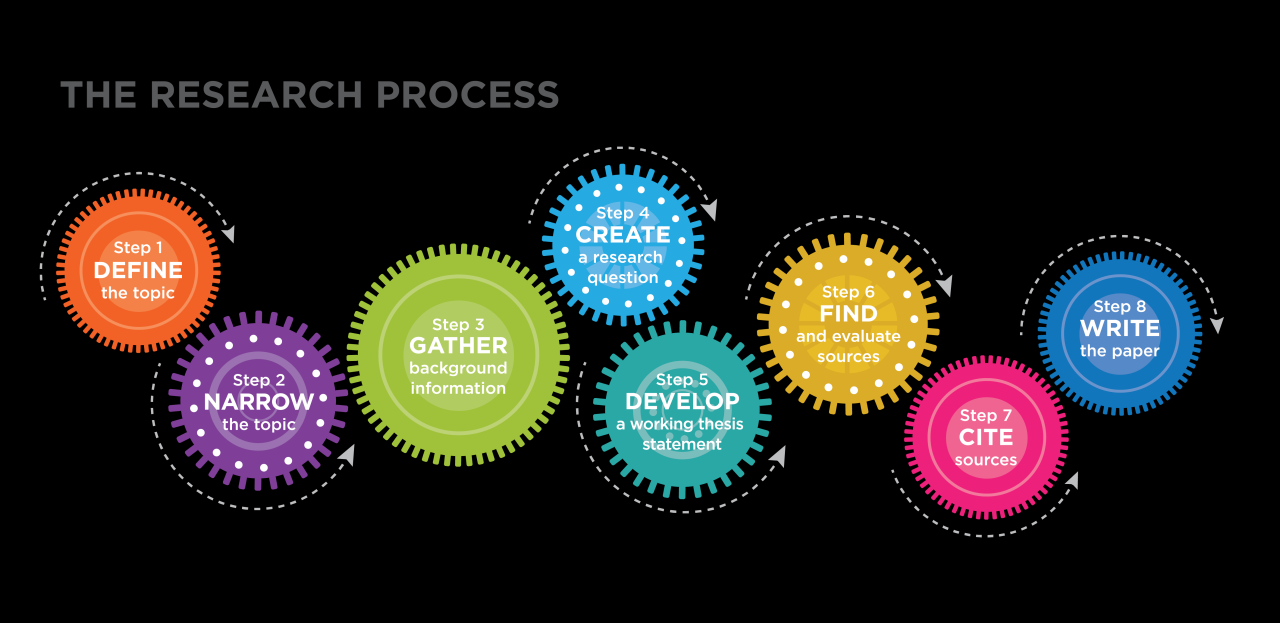
Creating a custom jigsaw puzzle involves not only designing the image but also effectively cutting it into unique pieces. This stage is crucial, as the style and shape of the pieces can greatly influence the playability and appeal of the puzzle. Proper cutting techniques will ensure that the pieces fit together seamlessly and provide an enjoyable experience for those who will assemble the puzzle.
Below are detailed steps and methods for cutting your custom jigsaw puzzle into pieces, along with essential safety tips for using cutting tools.
Step-by-Step Procedure for Cutting the Puzzle
Before beginning the cutting process, ensure you have a clean, flat workspace and all necessary materials. Follow these steps to cut the puzzle accurately:
1. Print the Puzzle Design
Ensure your design is printed on sturdy material like cardstock or puzzle board, as this will provide a better cutting surface.
2. Secure the Design
Place the printed design on a cutting mat to protect your work surface. If necessary, use a few drops of adhesive spray to keep it secure and flat.
3. Artikel Your Pieces
Use a pencil to lightly Artikel the shapes of the puzzle pieces on the back of the material. This will serve as your cutting guide.
4. Select Your Cutting Tool
Choose an appropriate cutting tool based on your comfort level and the thickness of the material. Options include a precision craft knife, jigsaw, or laser cutter for more advanced users.
5. Cutting the Pieces
If using a craft knife, hold it at a 45-degree angle for cleaner cuts, applying even pressure. Carefully cut along the drawn lines, ensuring to cut through the material completely.
For a jigsaw, secure the design to the mat and carefully guide the saw along the Artikels. Make sure to use a fine-toothed blade for better precision.
Laser cutting is ideal for intricate designs; ensure your settings are correct to avoid burning the edges.
6. Remove the Pieces
Once all pieces are cut, gently remove them from the backing material. Be cautious not to apply too much pressure, which could cause pieces to break.
7. Finishing Touches
Sand the edges of the puzzle pieces to smooth any rough edges, ensuring a pleasant handling experience.
Creating Unique Piece Shapes
To enhance the visual interest and challenge of your puzzle, consider varying the shapes of the pieces. This can be achieved through a few different methods:
Traditional Puzzle Cut
This involves making interlocking shapes that fit together. Use a template for classic piece shapes which typically have knobs and holes.
Whimsical Shapes
Incorporate fun and unexpected shapes into your puzzle design, such as animals, plants, or objects related to your image. This can add an element of surprise and creativity.
Custom Templates
Create or download templates with unique cuts that deviate from standard jigsaw shapes. You might print these templates onto your material before cutting.
Mixed Piece Sizes
Vary the sizes of the pieces throughout the puzzle, creating a mix of larger, easier-to-assemble pieces with smaller, more intricate ones to increase complexity.
Safety Tips for Using Cutting Tools
While creating your jigsaw puzzle, safety should always be a top priority, especially when handling sharp tools. Here are some safety recommendations to ensure a safe cutting experience:
Wear Protective Gear
Always wear safety glasses to protect your eyes from flying debris, and consider using a self-healing cutting mat to protect your work surface and cutting tool.
Use a Stable Surface
Always cut on a flat and stable surface. Avoid cutting on surfaces that can shift or wobble, which could lead to accidents.
Keep Tools Sharp
Dull tools require more pressure to cut, increasing the risk of slippage. Regularly sharpen your blades and replace them when they become too dull.
Cut Away from Your Body
Always direct the cutting tool away from yourself and others to prevent accidental injuries.
Maintain Focus
Avoid distractions while cutting. Concentrate on the task to prevent accidents and ensure accurate cuts.
By following these detailed steps and safety tips, you can confidently create beautifully cut puzzle pieces that will enhance your custom jigsaw puzzle experience.
Assembling the Puzzle
Assembling a custom jigsaw puzzle can be an enjoyable and rewarding experience. This stage allows you to witness your creative design transition into a tangible piece of art. Properly organizing and fitting the pieces can significantly streamline this process, enhancing your overall enjoyment.The assembly process involves systematically connecting the puzzle pieces, starting from the edges and gradually filling in the interior.
It is advisable to work on a flat surface with ample lighting to easily identify the shapes and colors of the pieces. Begin by sorting the pieces into manageable groups based on color, edge pieces, and unique patterns. This organization will simplify locating pieces as you progress.
Techniques for Organizing Puzzle Pieces
Efficient organization of puzzle pieces can greatly enhance your assembly speed. Here are several effective techniques for organizing your pieces:
- Sorting by Color: Group pieces according to dominant colors or patterns. This method is especially useful for puzzles with distinctive visuals, making it easier to locate pieces that belong to specific sections of the image.
- Separating Edge Pieces: Identify and set aside all edge pieces first. Completing the border of the puzzle provides a clear structure and reference point for filling in the interior.
- Creating Clusters: For intricate images, cluster pieces that appear to belong together based on visual cues. This can include familiar patterns or segments of the image, enabling quick identification during assembly.
- Using Containers: Utilize small bins or containers to store sorted pieces. Labeling these containers according to color or pattern can further streamline the process and assist in maintaining organization throughout the assembly.
Methods for Testing the Fit of Pieces
Testing the fit of puzzle pieces during assembly is crucial to ensuring a smooth process. Here are several methods to effectively verify the fit of pieces:
- Visual Inspection: Before attempting to connect two pieces, visually inspect the edges for consistent shapes and colors. This initial assessment can save time and prevent frustration.
- Gentle Pressure: When trying to fit two pieces together, apply gentle pressure. If the pieces do not slide easily into place, do not force them, as they may belong to a different area of the puzzle.
- Trial and Error: Experiment with different pieces in the same area. Sometimes, a piece may seem like it fits, but upon closer examination, another piece may be a better match.
- Assembly from Known Points: Start assembling from sections where you have a clear idea of what fits, such as areas with easily recognizable patterns or colors. This allows you to build outward, testing pieces as you go.
Packaging Your Custom Jigsaw Puzzle

Proper packaging not only protects your custom jigsaw puzzle but also enhances its appeal for gifting or sale. Thoughtful packaging can add significant value and create a memorable experience for the recipient or customer. In this section, we will discuss effective methods to package your custom puzzle, design an attractive box or container, and include visual references of the completed puzzle.
Designing an Attractive Box or Container
Creating an appealing box or container for your custom jigsaw puzzle is essential for drawing attention and making a lasting impression. The design should reflect the theme or image of the puzzle while being functional and durable. Here are some key considerations for the packaging design:
- Material Selection: Choose sturdy materials such as cardboard or recycled paperboard that can withstand handling and transport. Eco-friendly materials can also add to the puzzle’s appeal.
- Box Dimensions: Ensure the box dimensions are appropriate for the puzzle size, allowing enough space for the pieces without excessive movement that could cause damage.
- Visual Design: Incorporate vibrant colors and graphics that resonate with the puzzle design. The front of the box should prominently feature the puzzle image, enticing potential buyers or gift recipients.
- Branding Elements: If applicable, include your logo, tagline, and contact information on the packaging. This promotes brand recognition and establishes a professional appearance.
- Unique Closure Mechanisms: Consider innovative closure options such as magnetic flaps or ribbon ties, which can make the unboxing experience more enjoyable.
Including a Visual Reference of the Completed Puzzle
Including a visual reference within the packaging enhances the user experience by providing a clear image of what the completed puzzle looks like. This can guide the puzzler during assembly and serve as an attractive element in the packaging.
- Insert a Puzzle Image: Place a high-quality print of the completed puzzle image on the inside lid of the box or as a separate insert. This can also serve as a helpful reference for puzzlers to compare their progress.
- Instructional Guide: Consider including a small booklet with tips on how to assemble the puzzle, along with the visual reference. This can provide valuable guidance for novice puzzlers.
- Social Media Call-to-Action: Encourage customers to share their completed puzzle on social media by including a hashtag or your social media handles. This can create a community around your puzzles and enhance their attractiveness.
Sharing Your Custom Puzzle
Promoting your custom jigsaw puzzle is crucial for attracting potential customers and enthusiasts. By effectively showcasing your work online, you can reach a wider audience and generate interest in your unique designs. This section will guide you through various techniques to market your custom puzzles and highlight suitable platforms for display and sale.
Promotional Techniques for Custom Puzzles
Utilizing various strategies for promotion can significantly enhance the visibility of your custom puzzles. Below are several effective techniques to consider:
- Utilize social media: Create dedicated accounts on platforms such as Instagram, Facebook, and Pinterest to share visually appealing images of your puzzles. Engage with your audience through regular posts, stories, and interactive content.
- Collaborate with influencers: Partner with puzzle enthusiasts or influencers who have a significant following. They can help showcase your puzzles to their audience, providing authentic visibility.
- Host giveaways or contests: Encourage participation by hosting contests where participants can win your custom puzzles. This not only generates excitement but also promotes sharing among participants.
- Leverage email marketing: Build an email list of interested customers and send newsletters featuring your latest designs, promotions, and updates. Personalization can enhance engagement.
- Create engaging blog content: Write articles or tutorials related to jigsaw puzzles, including tips for solving them or the process of creating custom puzzles. This can drive traffic to your website and establish your authority in the niche.
Platforms for Selling or Showcasing Custom Puzzles
Choosing the right platforms to sell or display your custom puzzles can greatly influence your reach and sales. Consider the following options that cater to different audiences:
- E-commerce websites: Platforms such as Etsy, Amazon Handmade, or Shopify allow you to set up an online store. These sites cater to handmade and unique products, making them ideal for custom puzzles.
- Social media marketplaces: Facebook Marketplace and Instagram Shopping enable you to sell directly to consumers. By integrating your shop with social media, you can provide a seamless purchasing experience.
- Online art galleries: Websites like Saatchi Art or Artfinder allow you to showcase your designs as art pieces, attracting customers who appreciate the artistic value of your puzzles.
- Local craft fairs and markets: Participating in local events can help you connect with your community. Setting up a booth allows for direct interactions with customers and immediate feedback on your products.
Creating Engaging Content for Social Media
To capture the attention of your audience, it is essential to create compelling content around your custom puzzles. Here are strategies to enhance your content engagement:
- Behind-the-scenes glimpses: Share videos or photos of the puzzle creation process, providing insight into your techniques and materials. This content allows potential buyers to appreciate the craftsmanship involved.
- User-generated content: Encourage customers to share pictures of themselves with their completed puzzles. Reposting this content not only celebrates your customers but also serves as testimonials for potential buyers.
- Interactive posts: Use polls, quizzes, or challenges related to puzzles to engage your audience. For instance, you could ask followers to guess the image of a puzzle or share their favorite puzzle-solving strategies.
- Seasonal themes: Create themed puzzles for holidays or events and promote them accordingly. Engaging with seasonal trends can boost visibility and sales.
Effective promotion and strategic use of platforms can significantly enhance the visibility and sales potential of your custom jigsaw puzzles.
Final Summary
In conclusion, creating a custom jigsaw puzzle is not just an artistic endeavor but also a meaningful way to share memories and moments with others. By following the Artikeld steps, from selecting your image to promoting your creation, you will not only enhance your skills but also delight friends and family with a thoughtful, personalized gift. Whether for personal enjoyment or as a creative business venture, your custom jigsaw puzzle is sure to bring joy and engagement to all who experience it.