How to Apply Removable Vinyl for Wall Decals opens the door to transforming your living space with creativity and flair. Removable vinyl offers an exceptional solution for those looking to personalize their environments without the commitment of permanent decor. Its versatility and ease of use make it an attractive option for both beginners and seasoned DIY enthusiasts alike.
This guide will take you through the essential steps, from selecting the right type of vinyl to expertly applying your designs. With a focus on surface preparation, design creation, and application techniques, you will learn how to achieve professional results in your own home.
Introduction to Removable Vinyl
Removable vinyl has become a popular choice for creating wall decals due to its versatility and ease of use. This type of vinyl allows for creative expression in home decor, enabling individuals to personalize their spaces without the commitment of permanent alterations. The benefits of removable vinyl extend beyond aesthetics; it also offers practical advantages for renters and homeowners alike.Removable vinyl is available in several varieties, each designed to cater to different applications and surfaces.
The most common types include matte, glossy, and transparent vinyl, each offering unique finishes that can enhance the visual appeal of your designs. Matte vinyl provides a subtle, non-reflective look that blends seamlessly with walls, while glossy vinyl adds a high-shine effect that can make colors pop. Transparent vinyl is ideal for designs that require layering or for displaying images without an opaque background.
Selection of the Right Vinyl for Specific Surfaces
Choosing the appropriate vinyl for your project is critical to ensure longevity and ease of application. Different surfaces can affect the adhesion and overall look of the wall decals. The following points highlight important factors to consider when selecting removable vinyl:
- Surface Texture: Smooth surfaces such as painted drywall or glass work best with removable vinyl. Textured surfaces may hinder adhesion and create a less polished appearance.
- Paint Type: Ensure the wall paint is compatible with removable vinyl. Satin or semi-gloss finishes generally provide better adhesion than flat paints, which may cause the vinyl to peel off.
- Environmental Conditions: Consider the climate of the room where the vinyl will be applied. Humidity and temperature fluctuations can affect the adhesive quality, so selecting a vinyl designed for high-moisture areas may be necessary for bathrooms or kitchens.
- Duration of Use: If the decal is intended for temporary use, choose a removable vinyl specifically marketed for short-term applications. For more extended projects, selecting a high-quality vinyl can ensure it lasts longer without damage during removal.
Understanding these factors will assist in making an informed decision when selecting vinyl, ensuring that your wall decals not only look great but also adhere properly and can be removed with ease when desired.
Preparing the Surface
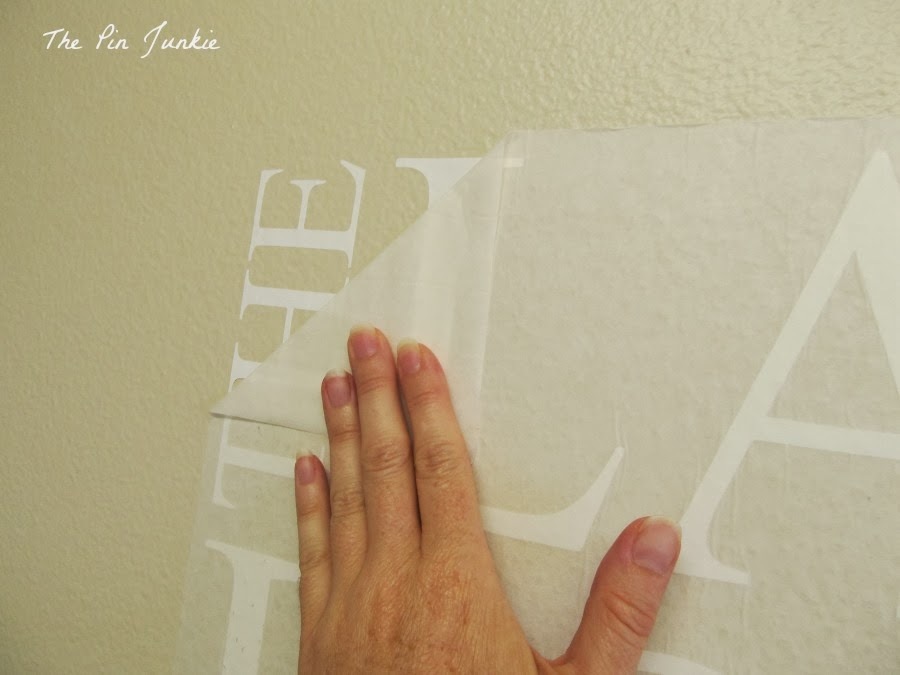
Before applying removable vinyl wall decals, it is essential to properly prepare the surface to ensure a long-lasting and visually appealing result. A clean and suitable surface enhances adhesion and prevents premature peeling or bubbling.Start by assessing the wall area where the decal will be placed. This preparation includes cleaning the surface to remove dirt, dust, and any other contaminants that may hinder adhesion.
Additionally, checking for imperfections such as cracks or peeling paint is crucial, as these issues can impact the outcome of the decal application.
Steps to Clean and Prepare the Wall
To achieve the best results when applying wall decals, follow these steps for surface preparation:
1. Clear the Area
Remove any furniture, wall hangings, or decorations near the application site to create a safe and spacious working environment.
2. Dust the Surface
Use a dry microfiber cloth or duster to wipe the wall, removing any surface dust or cobwebs.
3. Wash the Wall
Prepare a mild cleaning solution using warm water and a few drops of dish soap. Dampen a clean cloth with the solution and wipe the wall thoroughly to eliminate oils and grime. For stubborn stains, a soft sponge may be used.
4. Rinse the Wall
After washing, use a separate cloth dampened with clean water to rinse away any soap residue.
5. Dry the Surface
Allow the wall to air dry completely. This step is critical, as moisture can affect the adhesive properties of the vinyl.
6. Inspect for Imperfections
Examine the wall for any bumps, cracks, or peeling paint. Repair any imperfections using spackling paste for small holes and sand lightly once dry.
Tools Needed for Surface Preparation
To effectively prepare your wall for decal application, the following tools are recommended:
Microfiber Cloths
For dusting and cleaning surfaces without scratching.
Sponge
Useful for washing stubborn stains.
Mild Cleaning Solution
Water mixed with dish soap for gentle cleaning.
Spackling Paste
For filling in any cracks or holes.
Sandpaper
To smooth any repaired areas once dry.
Tape Measure
For measuring the wall and planning decal placement.
Checklist for Assessing Wall Conditions
Before proceeding with the application of removable vinyl decals, utilize the following checklist to assess the condition of the wall:
- Is the wall clean and free of dust?
- Have all stains been removed?
- Does the wall feel dry to the touch?
- Are there any visible cracks or peeling paint?
- Have repairs been made to any imperfections?
- Is the wall surface smooth and even?
By following these preparation steps and utilizing the appropriate tools, you will create an ideal surface for your removable vinyl wall decals, ensuring a successful and professional-looking application.
Designing Your Decal
Creating custom designs for wall decals allows for personal expression and can transform any space. The process involves not only artistic creativity but also practical considerations like the size, color, and material of the vinyl. By effectively utilizing available software and design techniques, one can develop a unique wall decal that perfectly fits the intended area.The tools and methods employed in designing vinyl graphics can significantly impact the final outcome.
Leveraging appropriate software enables precise design work and allows for easy adjustments in size, color, and style. Below are some recommended software options that cater to various skill levels and needs.
Software Recommendations for Designing Vinyl Graphics
Selecting the right software is crucial for creating effective wall decals. Various applications cater to different levels of expertise, from beginner to advanced users. The following software options are highly recommended for designing vinyl graphics:
- Adobe Illustrator: Ideal for professional designers, this vector graphics editor offers extensive tools for creating intricate designs. Its precision and scalability make it perfect for wall decals.
- CorelDRAW: Another robust vector design tool, CorelDRAW is popular among graphic designers. It supports various file formats and is user-friendly for beginners.
- Inkscape: A free, open-source alternative to the above software, Inkscape provides powerful vector editing capabilities, making it accessible for both novice and experienced designers.
- Canva: While primarily a graphic design platform, Canva offers templates and tools suitable for simpler decal designs. It is user-friendly and ideal for those with limited design experience.
Using these software options can enhance creativity and streamline the design process, allowing for high-quality, customized decals.
Scaling Designs to Fit Various Wall Sizes
Scaling your decal design is essential to ensure that it fits well within the chosen space. Proper scaling allows for visual harmony and enhances the overall aesthetic of the room. To achieve accurate scaling, consider the following techniques:
- Measure the Space: Before finalizing your design, take precise measurements of the wall area where the decal will be applied. This step ensures that the design will fit perfectly, avoiding issues during installation.
- Use Design Software Tools: Most design software includes features that allow users to easily resize their designs. Utilize these tools to adjust dimensions while maintaining the aspect ratio, ensuring that the design does not become distorted.
- Print a Scale Model: Creating a smaller version of your decal can help visualize how the design will look on the wall. This physical representation allows for final adjustments before the actual vinyl is cut.
By following these guidelines for scaling, one can ensure that the wall decal not only fits perfectly but also complements the surrounding décor seamlessly.
Cutting the Vinyl
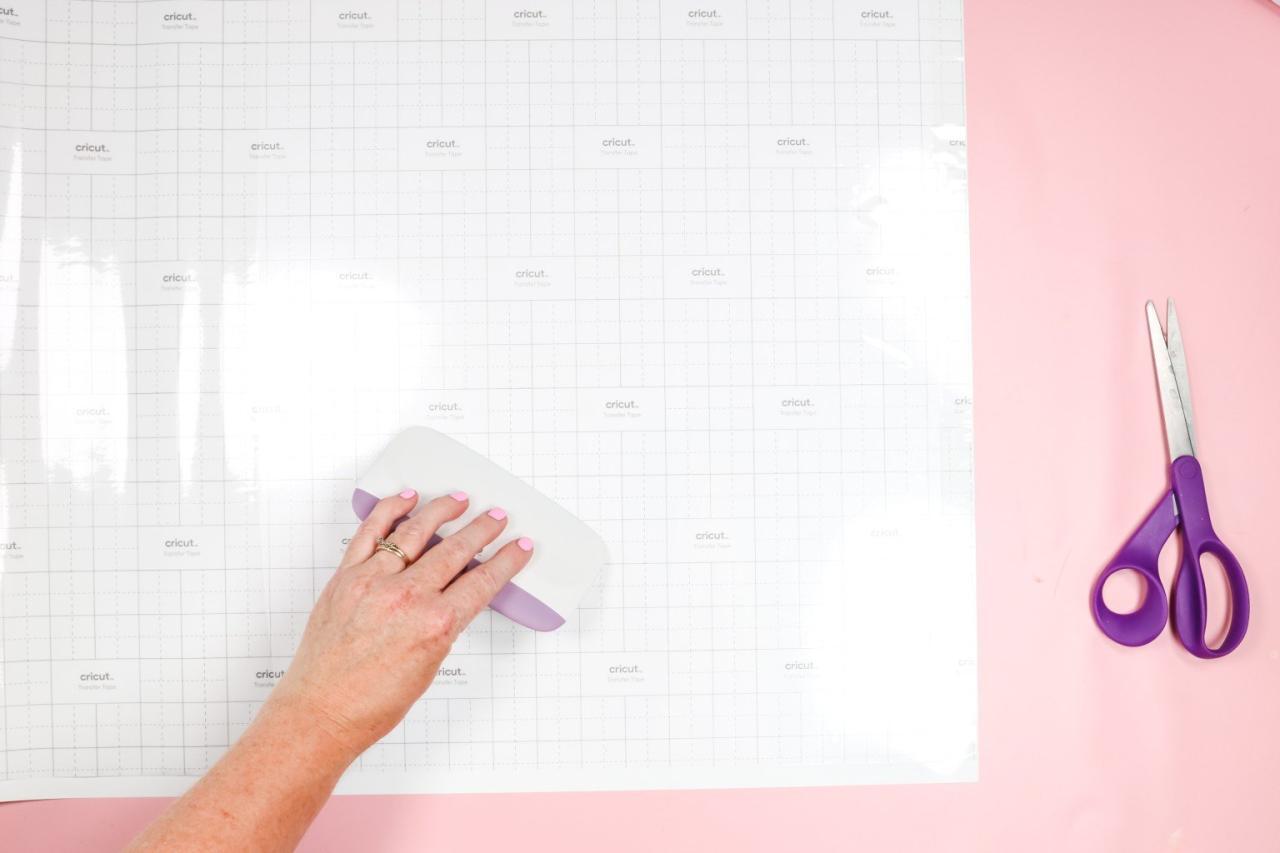
Cutting vinyl is a crucial step in the process of creating wall decals. Utilizing a cutting machine allows for precise cuts that ensure your designs maintain their integrity and visual appeal. Understanding the nuances of this process can significantly affect the outcome of your project. Proper cutting not only enhances aesthetics but also ensures smooth application to surfaces.When cutting vinyl, a cutting machine is employed to accurately slice through the material based on the specific design uploaded.
Before initiating the cutting process, it is essential to adjust your machine’s settings according to the thickness and type of vinyl being used.
Cutting Settings Based on Vinyl Thickness
Choosing the appropriate cutting settings is vital for achieving clean cuts without damaging the vinyl. Different vinyl types require specific settings to ensure optimal performance. The following are recommended settings based on common vinyl thicknesses:
- Standard 3 mil Vinyl: Use a blade depth of 1, pressure setting around 100-150, and a cutting speed of 8-10 inches per second.
- Heavy-Duty 5-7 mil Vinyl: Increase the blade depth to 2, adjust pressure to 150-200, and maintain a slower speed of 6-8 inches per second.
- Specialty Vinyl (e.g., glitter or reflective): For these thicker materials, set the blade depth to 3, pressure to 200, and speed to 5 inches per second for better results.
Selecting the correct settings helps to prevent issues such as incomplete cuts, which may necessitate additional passes or could lead to tearing the vinyl during removal.
Troubleshooting Common Cutting Issues
Despite careful preparation, you may encounter some common issues while cutting vinyl. Understanding how to address these challenges can help maintain a smooth workflow. Here are some common problems and their solutions:
- Incomplete Cuts: If parts of the design are not fully cut through, check whether the blade depth is set appropriately for the vinyl thickness. Consider increasing the pressure or making additional passes.
- Vinyl Tearing: Tearing may occur due to excessive pressure or a dull blade. Replace the blade if necessary and reduce the pressure setting for a cleaner cut.
- Vinyl Not Lifting from Backing: This issue may arise if the cut settings were too shallow. Ensure the blade is sharp and adjust the depth accordingly. A weeding tool can assist in lifting intricately cut designs.
- Inconsistent Cuts: If the cuts are uneven, check the machine’s calibration. Regular maintenance and cleaning of the cutting mat can also improve cutting performance.
By adhering to these guidelines and troubleshooting tips, you can enhance your cutting process, leading to successful vinyl applications that are visually striking and expertly crafted.
Application Techniques
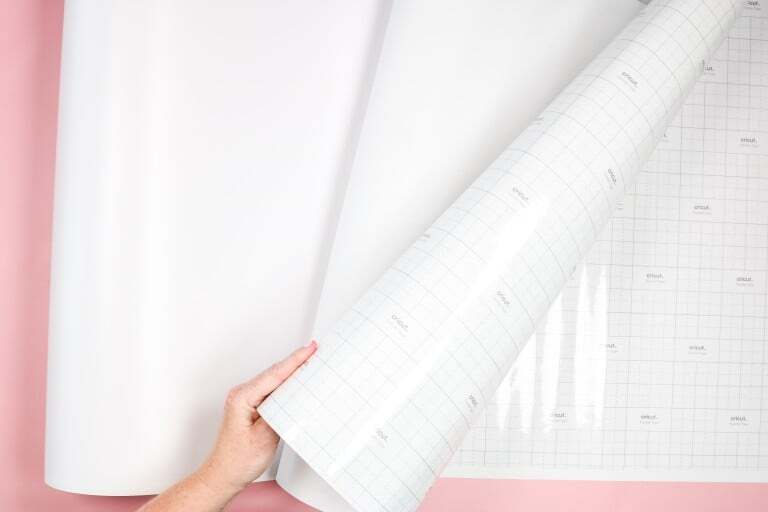
Applying removable vinyl to walls requires attention to detail and effective techniques to achieve a professional look. This section provides a comprehensive guide on the best methods to ensure a smooth application and minimize issues such as air bubbles.To achieve the best results when applying removable vinyl, it is essential to follow a systematic approach. The following step-by-step guide Artikels the key stages in the application process, making it easier to understand and execute.
Step-by-Step Application Process
The application of removable vinyl involves several crucial steps that ensure a clean and smooth finish. The points Artikeld below will guide you through the process:
- Gather Supplies: Make sure you have all necessary tools, including a squeegee or credit card, a utility knife, transfer tape, and a measuring tape.
- Prepare the Vinyl: After cutting your design, weed out the excess vinyl carefully using tweezers or a weeding tool to reveal your decal.
- Apply Transfer Tape: Place transfer tape over your decal, ensuring it adheres well. Use a squeegee to eliminate any wrinkles and air pockets in the tape.
- Position the Decal: Measure and mark the desired location on the wall lightly with a pencil. Align the transfer tape with your markings for precise placement.
- Adhere the Decal: Slowly peel the transfer tape away while applying the decal to the wall. Start from one side and gently press down as you go to maintain alignment.
- Squeegee the Decal: Utilize the squeegee to firmly press the vinyl onto the wall, working from the center outwards to eliminate air bubbles.
- Remove Transfer Tape: Carefully peel back the transfer tape at a sharp angle, ensuring that the vinyl remains on the wall.
Avoiding Air Bubbles
Air bubbles can detract from the appearance of your wall decal and can be challenging to remove once the vinyl is applied. The following techniques can help prevent bubbles during installation:To ensure a flawless application, consider the following methods:
- Use a Squeegee: Employing a squeegee or a credit card helps to push out air as you apply the decal. Always work from the center towards the edges to ensure air is effectively pushed out.
- Apply in Sections: If your decal is large, consider applying it in smaller sections. This technique allows for better control and reduces the chances of trapping air.
- Puncture Technique: If bubbles appear after application, use a pin or needle to puncture the bubble gently, and then use the squeegee to press the vinyl down around the puncture to release the air.
- Temperature Considerations: Applying vinyl in moderate temperatures helps the adhesive to work effectively. Cold conditions can make the vinyl rigid and prone to bubbling.
“Proper application techniques significantly enhance the longevity and appearance of your removable vinyl wall decals.”
By following these application techniques and being mindful of air bubbles, you can achieve a professional look with your removable vinyl wall decals.
Maintaining Your Decals
Maintaining your removable vinyl decals is crucial to ensuring their longevity and appearance. With proper care, these decorative elements can enhance your space for years without losing their vibrancy or adhesive quality. This section covers essential practices for cleaning, monitoring wear, and safely removing decals while retaining the integrity of your walls.
Caring for and Cleaning Wall Decals
To keep your vinyl decals looking fresh and vibrant, regular cleaning is important. However, it’s essential to do so without damaging the material or its adhesive properties. Here are effective cleaning practices:
- Use a soft, damp cloth to gently wipe the surface of the decal. Avoid abrasive materials that could scratch or wear down the vinyl.
- For more stubborn stains, a mild soap solution can be used. Ensure that the soap is non-abrasive and avoid any harsh chemicals that could degrade the vinyl.
- Avoid soaking the decal or using excessive water, as this could weaken the adhesive backing and cause the decal to peel away from the wall.
- Regularly dust the decals to prevent the buildup of dirt and grime, which can lead to discoloration over time.
Monitoring Longevity and Signs of Wear
Vinyl decals typically have a lifespan of 3 to 7 years, depending on factors such as the quality of the vinyl, environmental conditions, and exposure to sunlight. It is essential to monitor the condition of your decals to ensure they continue to look their best. Here are signs of wear to watch for:
- Fading colors, which may indicate exposure to sunlight or harsh cleaning products.
- Peeling edges that may suggest the adhesive is beginning to fail.
- Cracking or bubbling of the vinyl surface, which can occur due to changes in temperature or humidity.
- Loss of adhesion, where parts of the decal begin to lift away from the wall.
Removing Decals without Leaving Residue
When it’s time to remove your vinyl decals, doing so carefully will prevent damage to your walls and avoid leaving behind sticky residue. Follow these methods for safe removal:
- Begin by gently lifting one corner of the decal with a plastic scraper or your fingernail. This minimizes the risk of tearing.
- Slowly peel the decal away from the wall at an angle, keeping it close to the surface to reduce the chance of damage.
- If adhesive residue remains, use a mixture of warm water and dish soap to soften it. Apply the solution with a soft cloth and gently rub the area.
- For stubborn residue, a small amount of rubbing alcohol or adhesive remover can be utilized, but test it on a hidden area first to ensure it doesn’t affect your wall’s paint.
“Proper maintenance and removal of vinyl decals not only preserves their aesthetic appeal but also protects the underlying wall surfaces.”
Common Mistakes to Avoid
Applying removable vinyl for wall decals can be a straightforward process, but several common mistakes can lead to unsatisfactory results. Understanding these pitfalls and how to avoid them is crucial for achieving a professional finish. This section Artikels these frequent errors, emphasizing the importance of patience and precision throughout the application process.
Frequent Errors in Vinyl Application
Identifying and addressing typical mistakes can significantly improve the outcome of your vinyl application. Here are several common errors to watch out for, along with strategies to prevent them:
- Skipping Surface Preparation: Failing to clean the surface thoroughly can result in poor adhesion. Always clean the wall with soap and water, followed by a rinse and dry before applying the vinyl.
- Rushing the Process: Applying vinyl too quickly can lead to misalignment and bubbles. Take your time to ensure each step is completed carefully for the best results.
- Incorrectly Measuring and Cutting: Miscalculating measurements can lead to decals that don’t fit. Always double-check dimensions before cutting your vinyl.
- Not Using Transfer Tape Properly: Misapplying or not using transfer tape can cause vinyl to stick improperly. Ensure you understand how to use transfer tape correctly to transfer your design accurately.
- Neglecting to Test the Adhesive: Using vinyl on an unsuitable surface can cause it to peel off. Always test a small area first to ensure compatibility.
Importance of Patience and Precision
Patience and precision play a vital role in the successful application of removable vinyl. A meticulous approach can prevent costly errors and enhance the overall aesthetic of your project. Taking time to align your decals correctly and ensuring that the surface is prepared can save you from having to redo the work, which is both time-consuming and frustrating.
“Measure twice, cut once.”
This age-old adage is particularly relevant when working with removable vinyl, as careful preparation and application can lead to a flawless finish.
Do’s and Don’ts When Working with Removable Vinyl
Observing a set of guidelines can greatly improve the quality of your vinyl application. Here are some essential do’s and don’ts to keep in mind:
The following points will aid you in achieving a seamless and professional vinyl application:
- Do: Use a level or measuring tape to ensure your decals are straight and evenly spaced.
- Do: Work in a well-lit area to see your application clearly.
- Do: Use a squeegee to press out air bubbles during application for a smooth finish.
- Don’t: Overstretch the vinyl when applying, as this can cause distortion.
- Don’t: Expose the vinyl to extreme temperatures before application, as this can impact adhesion.
- Don’t: Apply vinyl directly over textured surfaces without considering the challenges it may pose.
Creative Ideas for Using Wall Decals
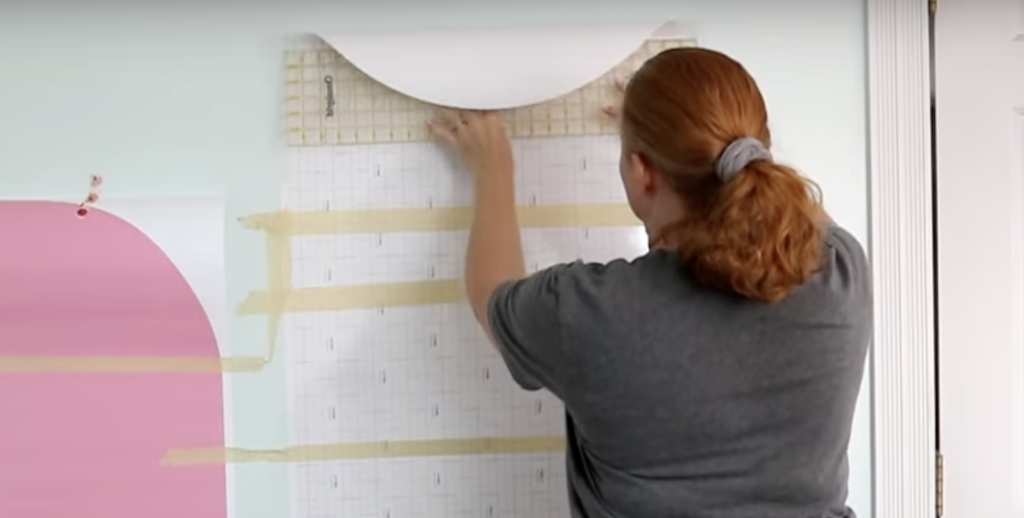
Removable vinyl wall decals are a versatile and innovative way to express creativity within your living spaces. Beyond traditional applications as mere wall decor, these decals can enhance various areas of your home and contribute to thematic or seasonal designs. This section explores unique uses of wall decals, offering inspiration for integrating them into your DIY projects and seasonal decorations.
Unique Applications for Wall Decals
Wall decals can serve multiple purposes, adding character and personalization to various settings. Here are several creative applications to consider:
- Furniture Refresh: Apply removable vinyl decals to furniture surfaces, such as tabletops or cabinets, to create an instant makeover. For instance, a floral pattern can breathe new life into an old dresser, providing a modern twist to vintage pieces.
- Temporary Art Installations: Create a gallery wall with removable decals designed to resemble artwork frames. This allows for easy updates as your tastes change. For example, a collection of geometric shapes can provide a contemporary aesthetic while being simple to swap out.
- Playroom Enhancements: Use decals in children’s play areas to create an engaging environment. Animal silhouettes or whimsical characters can spark imagination and make the space more inviting for playtime.
- Personalized Door Signs: Customize entryways with vinyl decals that display family names or inspirational quotes. This not only adds a personal touch but also enhances curb appeal.
Seasonal and Thematic Decor
Transforming your home with seasonal decor is simple with removable vinyl decals. They offer a flexible way to celebrate holidays and special occasions without a permanent commitment. Consider the following ideas:
- Holiday Themes: For Halloween, use decals to create spooky scenes with ghosts, pumpkins, or cobwebs. Likewise, during Christmas, snowflakes, ornaments, and festive quotes can adorn walls and windows, enhancing the holiday spirit.
- Seasonal Changes: Showcase the beauty of each season with decals depicting flowers in spring, beach motifs in summer, leaves in autumn, and snowflakes in winter. This allows you to keep your decor fresh and relevant throughout the year.
- Birthday Parties: Create a festive atmosphere with themed decals, such as balloons, cake, or banners, that can easily be applied and removed after the celebration.
Incorporating Decals into DIY Projects
The versatility of removable vinyl allows enthusiasts to integrate decals into various DIY projects, making it an excellent choice for creative pursuits. Here are ideas to inspire your next project:
- Custom Wall Murals: Combine multiple decals to create a striking mural that tells a story. For example, a tree with birds and leaves can evoke a serene nature scene, ideal for a living room or nursery.
- Personalized Home Organization: Label storage bins, jars, or shelves with decals to help keep your space organized and visually appealing. This can be particularly effective in kitchens or craft rooms.
- Event Decor: Utilize decals to enhance special events like weddings or baby showers. Customized signage, table numbers, or directional arrows can be easily crafted with vinyl, adding a personal touch to your celebration.
Removable vinyl decals provide a unique blend of creativity and functionality, making them an ideal choice for enhancing both permanent and temporary decor.
Final Thoughts

In conclusion, mastering the art of applying removable vinyl for wall decals not only enhances your space but also allows you to express your unique style. By following the Artikeld steps and avoiding common pitfalls, you can enjoy beautiful, temporary decor that reflects your personality. Embrace your creativity and transform your walls into a canvas of inspiration.