How to Make Car Decals That Last invites you into an exciting exploration of the art and science behind durable car decals. These vibrant and personalized designs not only enhance the aesthetics of your vehicle but also serve as a powerful branding tool for businesses. Understanding the materials, techniques, and care involved in crafting these decals will ensure your creations stand the test of time, making this guide essential for enthusiasts and professionals alike.
In this detailed overview, we will delve into the various aspects of car decals, from the selection of high-quality materials to the intricacies of design and application techniques. You will discover the importance of adhesive quality, the impact of color choice, and the necessary steps for printing and maintaining your decals, allowing you to create stunning designs that last.
Understanding Car Decals

Car decals have emerged as a popular method for personalizing vehicles, providing both aesthetic enhancement and promotional opportunities. They serve various purposes, from expressing individuality and style to conveying business logos or messages. The benefits of utilizing car decals include cost-effectiveness, ease of application, and the ability to change or remove designs without damaging the vehicle’s surface.The market offers a variety of car decals, each designed for specific applications and preferences.
Common types include vinyl decals, window decals, bumper stickers, and magnetic signs. Each type has its unique characteristics and is suited for different uses. Understanding these distinctions is essential for making informed choices regarding design and application.
Types of Car Decals
Car decals can be categorized into several types, each serving different needs and preferences. These types include:
- Vinyl Decals: Made from high-quality vinyl, these decals are durable and often used for both personal and commercial applications. They are resistant to fading and can withstand various weather conditions, making them ideal for outdoor use.
- Window Decals: Specifically designed for application on glass surfaces, window decals are available in both permanent and removable options. They often feature a transparent background, allowing for visibility from both inside and outside the vehicle.
- Bumper Stickers: A popular form of car decal, bumper stickers are often used for advocacy or personal expression. They are typically made from durable materials that can resist the wear and tear of road conditions.
- Magnetic Signs: These decals are removable and can be easily applied or taken off without damaging the vehicle’s paint. They are commonly used by businesses for temporary advertising purposes.
Materials for Durable Car Decals
The longevity and durability of car decals are greatly influenced by the materials used in their production. High-quality car decals typically comprise the following materials:
- Vinyl: The most popular material for car decals, vinyl is known for its durability and ability to resist fading, cracking, and peeling. It is available in various finishes, including matte, glossy, and transparent.
- Polyester: This material is often used for specialty decals, offering excellent resistance to UV rays and moisture. Polyester decals are commonly employed for specialty applications where high durability is required.
- Adhesives: The type of adhesive used is crucial for the performance of car decals. Pressure-sensitive adhesives allow for easy application and removal, while permanent adhesives provide a stronger bond for long-term use.
“Utilizing high-quality materials is vital for creating car decals that can withstand the elements and maintain their appearance over time.”
Designing Car Decals
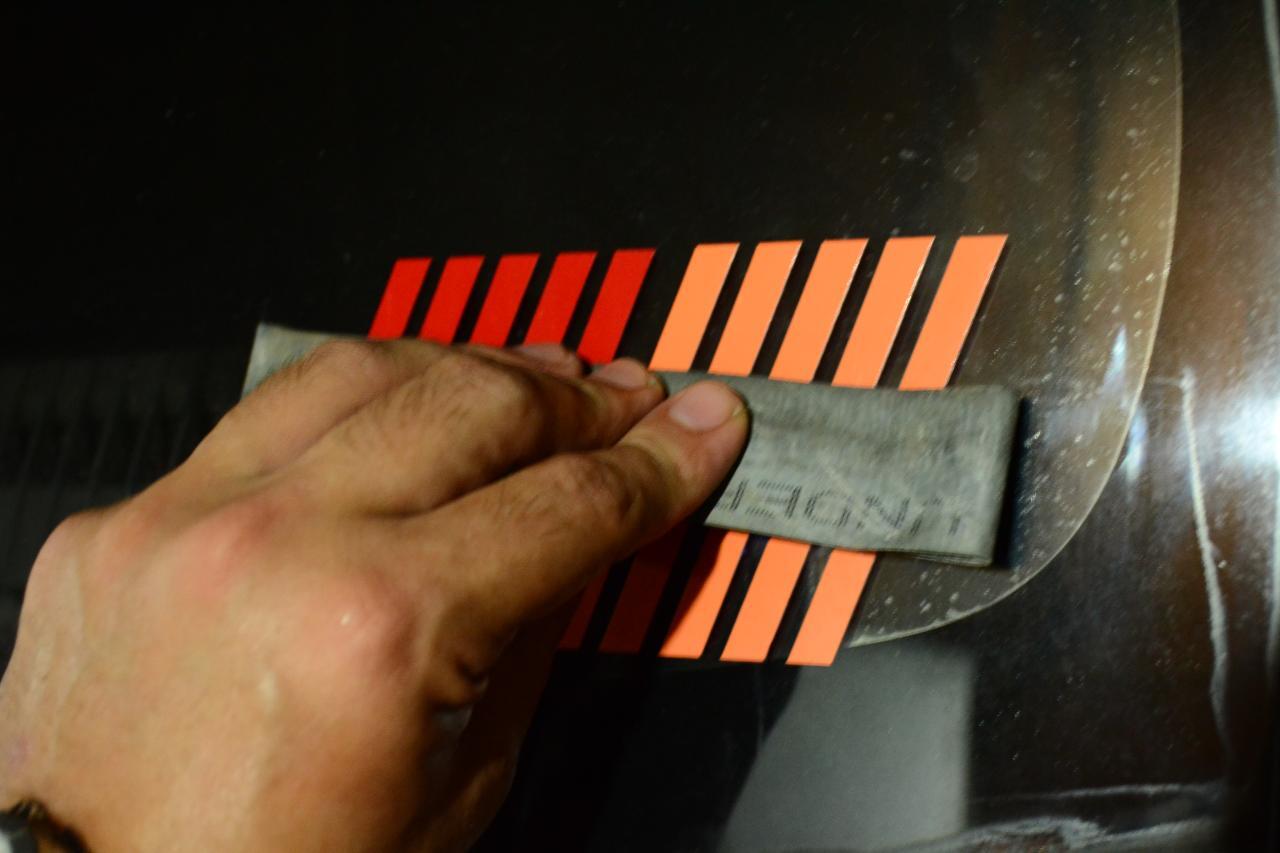
Designing car decals requires a thoughtful approach to ensure that the final product is visually appealing and effectively communicates the intended message. A well-designed decal not only enhances the aesthetic of a vehicle but also serves functional purposes, such as advertising or expressing personal style.Creating an attractive decal design involves several key steps, from conceptualization to final execution. The design process must consider the vehicle’s shape, the decal’s intended message, and the medium used for application.
Below are fundamental steps to guide you through the design process.
Steps to Create an Attractive Decal Design
The initial phase of designing a decal is critical and encompasses several essential components. A clear understanding of each step can lead to a compelling final product:
1. Define the Purpose
Understand the message or theme you want to convey through the decal. Whether it is for branding, personal expression, or decoration, clarity on purpose is crucial.
2. Research and Inspiration
Gather inspiration from various sources such as design websites, social media, and competitors. This can help in identifying trends and developing ideas.
3. Sketch Your Ideas
Create thumbnails or rough sketches of your ideas. This can help visualize different layouts and concepts before moving to digital design.
4. Select Fonts and Imagery
Choose fonts and images that align with your message. Typography should be legible from a distance, while images should be high resolution.
5. Color Selection
Choose colors that resonate with your brand or personal style. Consider color psychology—certain colors evoke specific feelings or responses, impacting visibility and audience engagement.
6. Draft a Digital Design
Use design software to create the digital version of your decal. This is where you can experiment with various elements, sizes, and arrangements.
7. Test the Design
Print a small-scale version to evaluate how it looks on a vehicle. This can help identify any necessary adjustments before final production.
Importance of Color Selection and Its Impact on Visibility
Color selection plays a vital role in the effectiveness of car decals. The right colors can enhance visibility, attract attention, and convey the intended message. When selecting colors, consider the following factors:
Contrasting Colors
Using contrasting colors can improve visibility. For example, a bright yellow decal on a dark vehicle allows for better readability.
Brand Colors
Incorporating established brand colors helps in maintaining consistency and brand recognition.
Emotional Response
Different colors evoke various emotions. For instance, blue often conveys trust, while red can indicate urgency or excitement.
Environmental Considerations
Bright colors can be more effective in low-light conditions, ensuring that decals are visible at all times.Color choice is not just aesthetic; it directly impacts the performance of the decal in real-life scenarios.
Tips for Using Graphic Design Software for Creating Decals
Graphic design software is an essential tool for creating professional decals. To maximize its potential, consider these practical tips:
Familiarize with Software Features
Spend time learning the functionalities of the software. Tools like Adobe Illustrator or CorelDRAW offer specific features that are beneficial for decal design, such as vector graphics.
Use Layers Effectively
Organize your design by using layers. This allows for easier modifications and adjustments without affecting the entire design.
Maintain Vector Format
Always design using vector graphics, ensuring the decal can be scaled without losing quality. This is vital for larger decals.
Utilize Grid and Guides
Use grids and guides to align elements accurately. This ensures a balanced composition and professional finish.
Exporting in Appropriate Formats
Save your design in appropriate formats based on the production requirements. Common formats include AI, EPS, and SVG for cutting machines.
Test Print Your Designs
Before final production, do a test print. This will help in assessing colors and design scaling in the real-world context.Designing car decals is an art that combines creativity with practical considerations. By following these structured steps, understanding color psychology, and utilizing graphic design software effectively, one can create decals that not only last but also make a striking impression.
Choosing the Right Materials
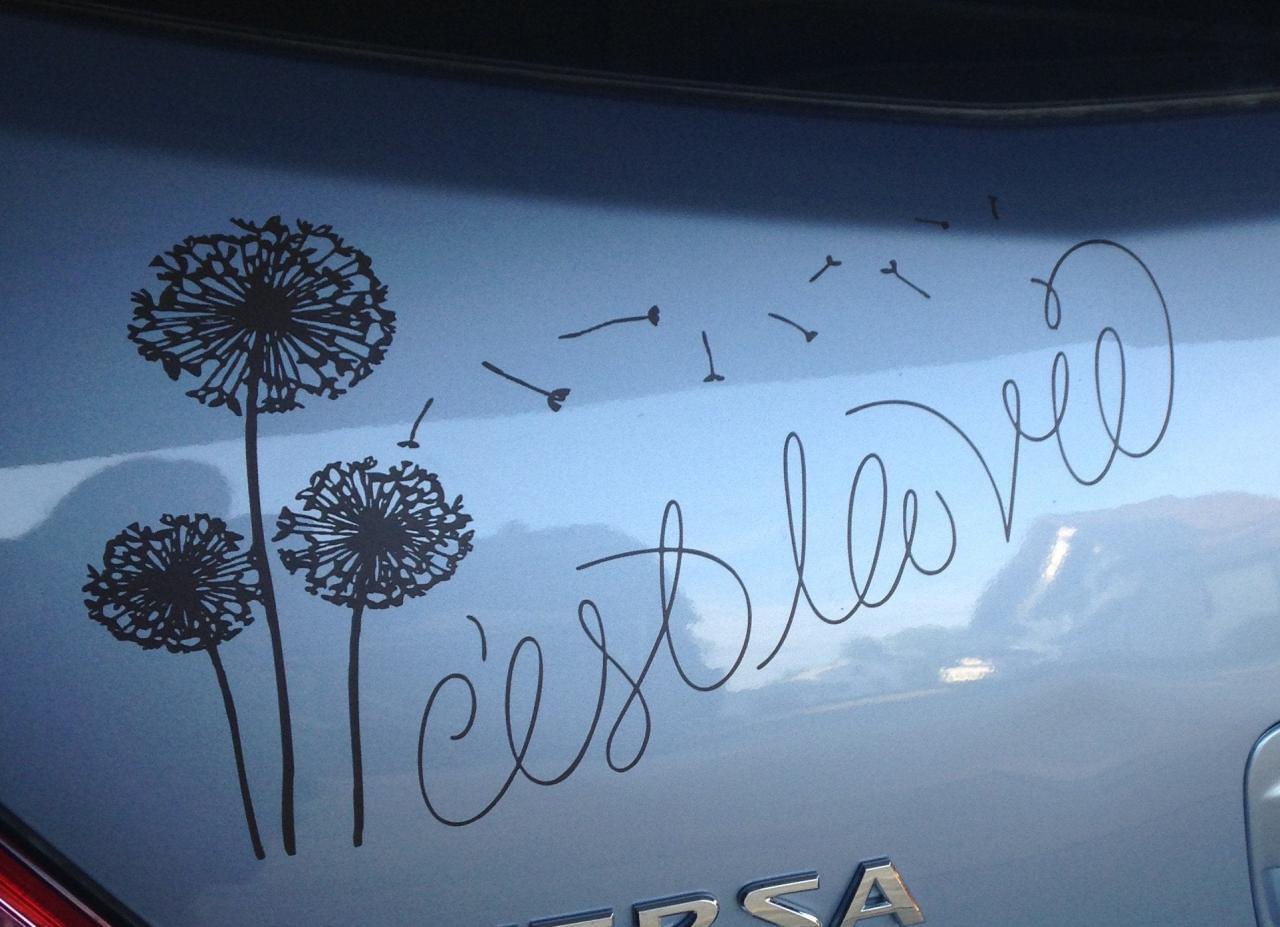
Selecting appropriate materials is a critical factor in creating car decals that endure the test of time. The longevity and appearance of these decals depend significantly on the quality of the materials used, particularly vinyl and adhesive options. Understanding the distinctions between different types of vinyl and recognizing the importance of adhesive quality will help ensure that your decals remain intact and vibrant for years.
Comparison of Vinyl Materials for Decals
Various vinyl materials are available for creating durable car decals, each with unique characteristics that contribute to their longevity. The primary types include calendared vinyl and cast vinyl.
- Calendared Vinyl: This type of vinyl is thicker and generally less expensive. Suitable for short-term applications, it may last up to five years outdoors, making it ideal for temporary signage or promotional decals.
- Cast Vinyl: Cast vinyl is thinner and made from a liquid vinyl, which allows it to conform better to surfaces. This material is more durable, typically lasting over seven years when exposed to outdoor conditions. It is often used for intricate designs and wraps due to its flexibility and resistance to fading.
- Specialty Vinyl: Specialty vinyl includes options like reflective or metallic vinyl, which can add unique visual elements to decals. While these are typically used for specific applications, they can enhance the overall aesthetic of the vehicle and improve visibility at night.
Importance of Adhesive Quality in Decal Longevity
The quality of the adhesive used in car decals is paramount to their performance. A high-quality adhesive ensures that the decal adheres properly to the vehicle surface, preventing peeling or fading over time.
“A strong adhesive can withstand environmental factors such as UV exposure, moisture, and temperature fluctuations, ensuring a decal remains intact for its intended lifespan.”
Factors to consider regarding adhesive quality include:
- Water Resistance: A waterproof adhesive prevents moisture from lifting the edges of the decal, which can lead to premature wear.
- UV Resistance: Adhesives that resist UV light help maintain the integrity of the decal, preventing the colors from fading and the material from breaking down.
- Temperature Tolerance: An adhesive that can withstand extreme temperatures will ensure that the decal remains adhered during heat waves or cold snaps.
Protective Coatings for Enhancing Decal Durability
Applying a protective coating can significantly extend the lifespan of car decals. These coatings provide an extra layer of defense against scratches, UV rays, and weather conditions.The benefits of using protective coatings include:
- Clear Coatings: Clear laminate or overlaminate provides a physical barrier against scratches and abrasions, enhancing the visual appeal while protecting the underlying vinyl.
- UV Coatings: UV-resistant coatings can be applied to enhance the lifespan of the decal by minimizing the effects of sun exposure, thus retaining the vibrancy of the colors.
- Weatherproof Coatings: These coatings are designed to repel water and dirt, making it easier to clean the decals without damaging them.
In summary, careful selection of vinyl materials, high-quality adhesives, and protective coatings are essential components in the creation of durable car decals. By prioritizing these elements, one can ensure that decals remain visually appealing and intact, even when faced with various environmental challenges.
Printing Car Decals
Printing car decals is a crucial step in the creation of high-quality, durable graphics that can withstand the elements while enhancing the aesthetic appeal of vehicles. Selecting the right printing method and ensuring optimal settings can significantly affect the outcome of the decals, ultimately determining their longevity and vibrancy.The methods used to print car decals can vary widely, each with its unique advantages and applications.
When choosing the printing technique, factors such as durability, clarity, and color accuracy should be taken into account.
Suitable Printing Methods for Car Decals
The following are the most common printing methods used for producing car decals:
- Digital Printing: This method utilizes digital files to produce high-quality prints directly onto adhesive vinyl. It allows for full-color graphics with intricate designs. Digital printing is ideal for small runs or custom designs.
- Screen Printing: A traditional method that involves transferring ink through a mesh screen. This technique is suitable for larger quantities and offers vibrant colors, making it excellent for bold designs. However, it may not capture finer details as well as digital printing.
- Eco-Solvent Printing: This technology uses eco-friendly solvents to produce durable prints that are resistant to fading and scratching. It’s suitable for outdoor applications and can be printed on a wide variety of vinyl materials.
- Latex Printing: A modern printing method that uses water-based inks. This technique is known for its environmental safety and durability, making it an excellent choice for car decals. It yields high-quality graphics that are long-lasting.
The resolution and color settings used in printing car decals play a pivotal role in the final product.
Importance of Resolution and Color Settings
When printing car decals, the resolution of the design is critical. A higher resolution ensures that the images are clear and detailed, which is essential for maintaining quality, especially when viewed up close. The recommended resolution for car decals is generally 300 DPI (dots per inch) or higher. This level of detail contributes to sharper edges and vibrant colors, enhancing the overall appearance.Color settings are equally significant, as they dictate how colors are rendered in the final print.
It is advisable to use the CMYK color model (Cyan, Magenta, Yellow, Black) when preparing files for printing. This model is tailored for print, ensuring more accurate color reproduction than the RGB color model, which is primarily used for web displays.
Guidelines for Choosing Printing Services or Equipment
Selecting the right printing service or equipment is vital for achieving high-quality car decals. Here are some guidelines to consider:
- Research Printing Services: Look for companies with a strong portfolio and positive reviews. Customer feedback and case studies can provide insight into the quality of their work and reliability.
- Evaluate Equipment Quality: If opting to print in-house, ensure that the printer is capable of producing high-resolution prints. Look for machines that specialize in vinyl printing for best results.
- Check Material Compatibility: Confirm that the printing service uses materials suitable for car decals, such as high-quality vinyl that is weather-resistant and has a strong adhesive backing.
- Request Samples: Before making a final decision, request samples of previous work. This will help gauge the quality of their prints and their attention to detail.
- Consider Turnaround Time: Assess the service’s ability to meet deadlines, especially if you are working with a specific timeline for events or promotions.
Ensuring that these factors are carefully considered can lead to the production of car decals that not only look great but also last for an extended period, giving you the best value for your investment.
Application Techniques
Applying car decals correctly is essential for achieving a professional look and ensuring longevity. The application process requires careful attention to detail and adherence to best practices to avoid common pitfalls. Understanding the step-by-step techniques will enable you to apply your decals seamlessly, enhancing the overall appearance of your vehicle.
Step-by-Step Application Process
The application of car decals involves several critical steps that must be followed meticulously. This process ensures that the decal adheres properly without any imperfections.
- Prepare the Surface: Thoroughly clean the area where the decal will be applied. Use a mixture of soap and water or a dedicated cleaning solution to remove any dirt, grease, or debris. Dry the surface completely with a lint-free cloth.
- Position the Decal: Before removing the backing, position the decal on the vehicle to determine the best placement. Use masking tape to hold it in place temporarily.
- Peel the Backing: Carefully peel the backing paper from the decal. Start at one corner and pull it back slowly to prevent tearing or bending the decal.
- Apply the Decal: Begin applying the decal from one edge, pressing it down gently while smoothing it out to avoid air bubbles. Use a squeegee or a credit card to push the decal firmly against the surface.
- Remove Transfer Tape: If your decal comes with transfer tape, carefully peel it away at a 45-degree angle once the decal is securely applied. Make sure the decal remains in place as you do this.
Common Mistakes to Avoid
Being aware of common mistakes can significantly enhance your decal application experience. Avoiding these pitfalls helps ensure a flawless finish.
- Applying decals on a dirty or wet surface can lead to improper adhesion and peeling.
- Failing to position the decal correctly before it adheres can result in misalignment.
- Using excessive force while squeegeeing can cause the decal to stretch or tear.
- Not allowing the decal to acclimate to room temperature before application can affect adhesion, especially in cold weather.
Tips for a Smooth Finish and Preventing Air Bubbles
To achieve a professional-looking application, consider the following tips that will help you obtain a smooth finish and minimize the risk of air bubbles.
“Patience and precision are key to a successful decal application.”
To prevent air bubbles and ensure a smooth finish, follow these guidelines:
- Work in a well-lit area to better see any imperfections or air pockets as you apply the decal.
- Use a squeegee to push out air bubbles, starting from the center and working your way outward toward the edges.
- If air bubbles do appear, use a pin to puncture them gently and smooth out the decal around the puncture.
- Allow the decal to cure for the recommended time before washing the vehicle or exposing it to harsh conditions.
Maintenance and Care
Maintaining car decals is essential for ensuring their longevity and appearance. Proper care can significantly enhance the lifespan of your decals while keeping them looking fresh and vibrant. This section will Artikel effective cleaning methods, protective measures against environmental factors, and indications that a decal may need replacement or repair.
Cleaning Car Decals
Regular cleaning helps to preserve the integrity and appearance of car decals. It is crucial to use appropriate cleaning methods to avoid damaging the decals. The following cleaning guidelines are recommended:
- Use a mild soap or detergent mixed with water to create a gentle cleaning solution. Avoid harsh chemicals that can degrade the vinyl material.
- Utilize a soft microfiber cloth or sponge to clean the decals. This material is non-abrasive and helps prevent scratching.
- Rinse the decals thoroughly with clean water to remove all soap residue. Any remaining residue can lead to discoloration over time.
- For tougher stains, a specialized automotive decal cleaner can be employed, following the manufacturer’s instructions for best results.
Protection from Environmental Factors
Car decals are subjected to various environmental factors that can lead to fading and damage. Implementing protective measures is vital to prolonging their lifespan. The following strategies can be effective:
- Apply a UV protectant spray designed for vinyl surfaces. This spray creates a barrier against harmful UV rays that can cause fading and cracking.
- Park the vehicle in shaded areas or garages whenever possible to minimize direct exposure to sunlight.
- Consider using a wax specifically formulated for decals. Applying this wax can enhance shine and provide additional protection against sun damage and dirt accumulation.
Signs of Decal Replacement or Repair
Recognizing when a decal needs to be repaired or replaced is essential for maintaining the overall appearance of your vehicle. The following signs indicate that attention is required:
- Fading or discoloration that significantly alters the decal’s original hue suggests that the protective layer may have worn off.
- Cracking or peeling edges indicate that the adhesive is failing, and moisture may be infiltrating under the decal.
- Stains or marks that do not respond to cleaning efforts can signal that the decal has reached the end of its useful life.
- Visible bubbling or lifting from the surface suggests that the decal is no longer adhering properly, which may necessitate removal and replacement.
“Proper maintenance of car decals not only enhances their aesthetic appeal but also contributes to the overall value of your vehicle.”
Customization Options
![How To Reuse Car Decals? [Full Guide] - Torque Trip](https://yoklah.web.id/wp-content/uploads/2025/09/How-To-Remove-Car-Decals-Without-Damaging-Paint-1-1024x683-1.jpg "How To Reuse Car Decals? [Full Guide] - Torque Trip")
In the world of car decals, customization plays a pivotal role in establishing unique branding and enhancing visual appeal. Personalizing your decals goes beyond mere aesthetics; it creates a distinctive identity that resonates with your target audience. By investing in customized decals, businesses and individuals can effectively communicate their message and attract attention on the road.Custom graphics significantly impact the visibility and memorability of car decals, allowing brands to stand out in a crowded marketplace.
The incorporation of personalized elements not only reflects the brand’s personality but also engages potential customers on a deeper level. The following techniques are popular among businesses looking to enhance their car decals through customization.
Popular Customization Techniques in Car Decals
Customization options for car decals can greatly enhance their effectiveness and appeal. Various techniques can be employed to create unique and eye-catching designs. Below are some notable methods:
- Vinyl Cutting: This technique involves cutting out designs from colored vinyl to create sharp, clean graphics. It allows for intricate details and is perfect for logos or text.
- Full-Color Printing: Utilizing digital printing technology enables vibrant, multi-colored images to be printed directly onto the decal material. This is ideal for detailed graphics and photographs.
- Reflective Vinyl: This material enhances visibility at night, making it an excellent choice for safety or emergency vehicles. Reflective decals can be customized in various colors and designs.
- Matte vs. Glossy Finishes: The choice between matte and glossy finishes affects the overall look of the decal. Matte finishes offer a sophisticated appearance, while glossy finishes provide a shiny, eye-catching effect.
- Custom Shapes: Decals can be cut into unique shapes to align with specific branding needs. This adds an extra layer of personalization that standard rectangular decals lack.
Utilizing these customization techniques can greatly impact how a car decal is perceived. A well-designed decal with personalized graphics can capture attention and leave a lasting impression, ultimately enhancing brand recognition and customer engagement.
Legal Considerations
Car decals, while a popular means of personal expression and branding, are subject to various legal regulations. These regulations can differ significantly based on geographic location, affecting how individuals and businesses can utilize decals on vehicles. Understanding these legal frameworks is crucial for avoiding disputes and ensuring compliance with the law.Legal considerations for car decals encompass a range of factors, including regional regulations governing vehicle modifications, as well as the potential ramifications of using copyrighted or trademarked designs.
Failure to adhere to these laws can result in fines or legal actions, making it essential to be informed and cautious.
Regulations Regarding Car Decals
Different regions have specific laws concerning car modifications, including the application of decals. Compliance with these regulations is vital to avoid penalties. The following points Artikel key considerations:
- State and Local Laws: Each state or municipality may have unique regulations regarding the size, placement, and visibility of decals on vehicles. It is critical to check with local authorities before applying decals to ensure they comply with local vehicle codes.
- Vehicle Registration Rules: Some regions require vehicle owners to register decals, particularly those that could affect visibility or safety. Adhering to registration protocols can prevent legal complications.
- Advertising Restrictions: In some jurisdictions, there are restrictions on commercial advertising on personal vehicles. Understanding these limitations can prevent potential fines associated with unauthorized advertising.
Copyright and Trademark Considerations
Using images or designs without proper authorization can lead to legal issues related to copyright and trademark infringement. It is crucial to understand the following principles:
- Originality Requirement: While creating custom decals, ensure that the designs are original or have been properly licensed. Using copyrighted images without permission can result in legal action from the copyright holder.
- Trademarked Designs: Incorporating logos or trademarked images into decals without permission can lead to trademark infringement claims. If a decal includes a brand’s logo, obtaining permission prior to use is essential.
- Fair Use Doctrine: In specific circumstances, the use of copyrighted material may be defended under the fair use doctrine. However, this legal principle can be complex and often depends on the context and purpose of the use.
Ensuring Compliance with Local Laws
To mitigate legal risks associated with car decals, it is advisable to follow these recommendations:
- Research Local Regulations: Before designing or applying a decal, thoroughly research local vehicle modification laws and regulations. This includes checking with local DMV or transportation authorities.
- Seek Legal Advice: When in doubt about copyright or trademark issues, consult with an intellectual property attorney. This ensures that all designs are compliant with relevant copyright laws.
- Document Permissions: If using artwork or designs from third parties, ensure to obtain written permissions or licenses. Keeping documentation can provide legal protection in the event of a dispute.
Closure
In conclusion, mastering the art of making car decals that endure involves a thoughtful blend of creativity, quality materials, and proper care. By following the guidelines and insights shared in this guide, you will not only enhance the appearance of your vehicle but also ensure that your decals remain vibrant and intact for years to come. Embrace the journey of customization and maintenance, and let your decals become a true reflection of your style and passion.