How to Make Your Cricut Mat Sticky Again is an essential guide for crafters looking to revive their beloved Cricut mats. These mats play a pivotal role in ensuring precise cuts and successful crafting projects, but their stickiness can diminish over time due to various factors. Understanding the different types of Cricut mats and the importance of maintaining their adhesive quality is crucial for achieving optimal results in your creative endeavors.
In this guide, we will explore the reasons behind the loss of stickiness on Cricut mats, effective methods for restoration, and valuable preventative measures. By sharing insights into user experiences and reviewing popular products, we aim to equip you with the knowledge necessary to keep your Cricut mats in prime condition for all your crafting needs.
Introduction to Cricut Mats
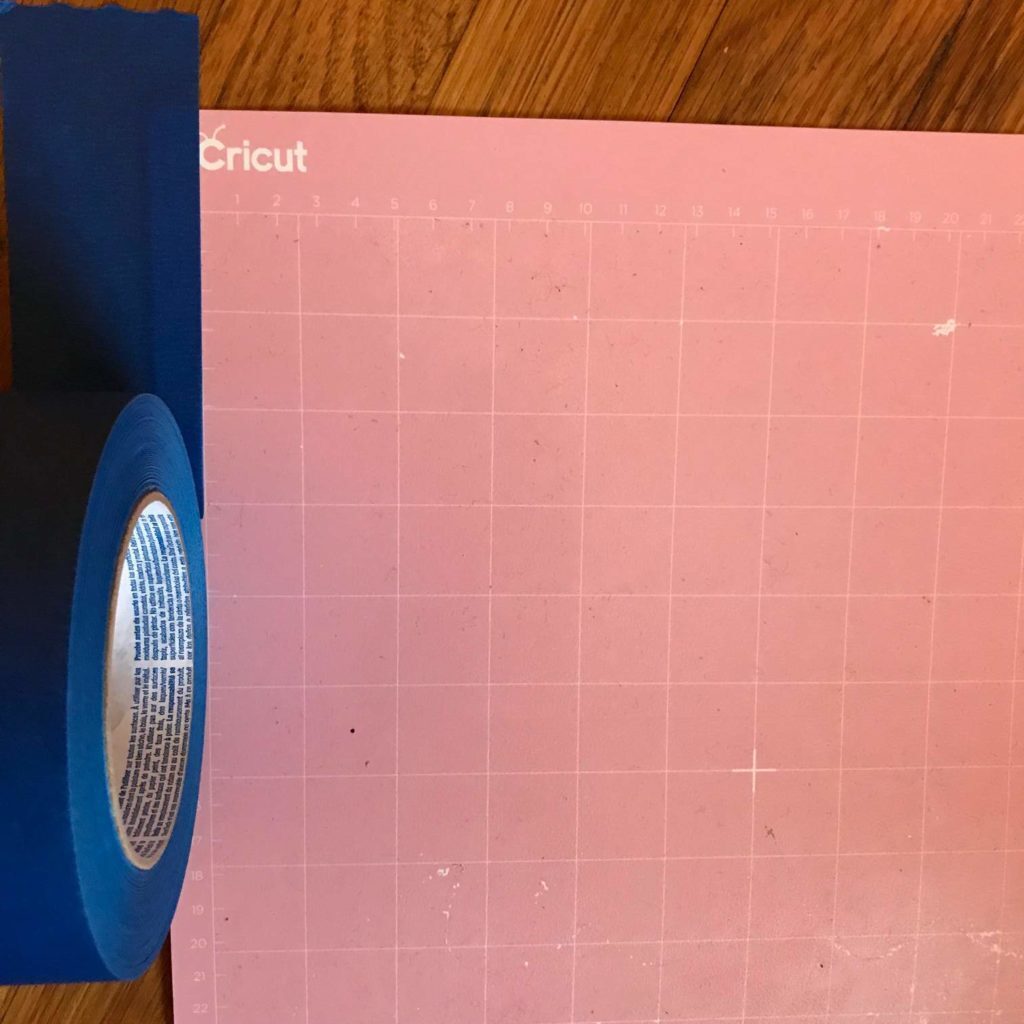
Cricut mats play a crucial role in the crafting process, particularly for those who utilize cutting machines like Cricut. Designed to provide a stable surface for various materials, these mats ensure precision and accuracy during cutting, allowing crafters to achieve intricate designs and details effortlessly. Understanding the functionality and types of Cricut mats can greatly enhance the crafting experience, ensuring that projects turn out as envisioned.There are several types of Cricut mats available, each tailored for specific materials and crafting needs.
The standard grip mat is versatile and ideal for medium-weight materials, while the light grip mat is perfect for thinner papers and delicate materials. For heavier materials such as cardstock and fabric, the strong grip mat provides the necessary adhesion to hold the materials securely during the cutting process. The stickiness of these mats is essential, as it prevents materials from shifting, ensuring clean and accurate cuts.
An effective mat not only enhances the quality of the cut but also prolongs the lifespan of the blades and the cutting machine itself.
Types of Cricut Mats
Understanding the different types of Cricut mats available is essential for optimizing your crafting projects. Each mat is designed to accommodate specific materials, ensuring the best performance and results. Below are the primary types of Cricut mats and their intended uses:
- Standard Grip Mat: This mat is designed for medium-weight materials like cardstock and patterned paper. It provides a balanced adhesive that holds materials securely while allowing for easy removal after cutting.
- Light Grip Mat: Ideal for lightweight materials such as printer paper and washi tape. This mat has a lower adhesive strength to prevent tearing of delicate items during removal.
- Strong Grip Mat: Engineered for heavier materials, including thick cardstock and fabric, this mat features a strong adhesive that ensures materials remain in place during the cutting process.
- Fabric Grip Mat: Specifically designed for cutting fabric, this mat utilizes a specialized adhesive that holds fabric securely, making it easier to cut complex fabric shapes without fraying.
The stickiness of Cricut mats is an integral aspect that directly influences the cutting process. A mat that maintains optimal stickiness ensures that materials do not shift or warp, which can lead to inaccurate cuts. Regular maintenance of the mat’s adhesive properties will not only improve cutting accuracy but also enhance the durability of both the mat and the cutting blades.
“A well-maintained Cricut mat is essential for achieving precise cuts and a seamless crafting experience.”
Reasons for Loss of Stickiness
![How to Make Cricut Mat Sticky Again [Proven Methods] – Cricut.com/setup](https://yoklah.web.id/wp-content/uploads/2025/09/how-to-make-cricut-mat-sticky-again-proven-methods-2.png "How to Make Cricut Mat Sticky Again [Proven Methods] – Cricut.com/setup")
The loss of stickiness on Cricut mats can be attributed to several factors that affect their performance and longevity. Understanding these factors is essential for maintaining the efficiency of your Cricut machine and ensuring high-quality crafting results.Dust, debris, and usage significantly influence the adhesive quality of Cricut mats. Over time, the mat collects particles that can prevent proper adhesion of materials during cutting.
The continuous use of the mat also leads to wear and tear, diminishing its sticky properties.
Impact of Dust and Debris
Dust and debris accumulation on Cricut mats is a common issue that can impair their functionality. When materials are placed on a mat, any residual particles can inhibit the adhesive’s ability to hold the material in place. The following factors illustrate how this can affect mat performance:
- Fine particles from crafting materials can settle on the mat, creating a barrier between the mat and the material being cut.
- Residual adhesive from previous projects can attract more dust, exacerbating the problem.
- Even small fibers from fabric projects can cause disruption, leading to imperfect cuts and misalignment.
Effects of Usage on Mat Performance
The frequency and manner of usage play a crucial role in determining how long a mat remains sticky. Each cutting session wears down the adhesive properties in different ways. Consider the following points regarding usage:
- Heavy materials, such as cardstock or vinyl, may exert more pressure and cause faster degradation of the adhesive compared to lighter materials.
- Repeated cuts in the same area can lead to localized wear, diminishing stickiness where it is most needed.
- Extended exposure to tools, such as weeding tools or scrapers, can scratch the surface of the mat, further reducing its adhesive quality.
Storage Conditions and Adhesive Quality
The way Cricut mats are stored can significantly affect their adhesive properties. Inappropriate storage conditions may lead to a loss of stickiness. Key considerations include:
- Storing mats in direct sunlight can degrade the adhesive over time, resulting in diminished effectiveness.
- Excessive heat or humidity can alter the adhesive formula, causing it to lose its effectiveness.
- Keeping mats in a folded or crumpled position can lead to warping, which may also affect the evenness of adhesive application.
Maintaining proper storage conditions and handling can greatly enhance the lifespan and stickiness of your Cricut mats.
Methods to Restore Stickiness
Maintaining the stickiness of your Cricut mat is essential for achieving precise cuts and ensuring that your materials adhere properly during the crafting process. Over time, the adhesive properties of these mats may diminish due to dust, dirt, and general wear and tear. Fortunately, there are several methods to restore the stickiness of your Cricut mat, allowing you to keep using it effectively.
Cleaning a Cricut Mat
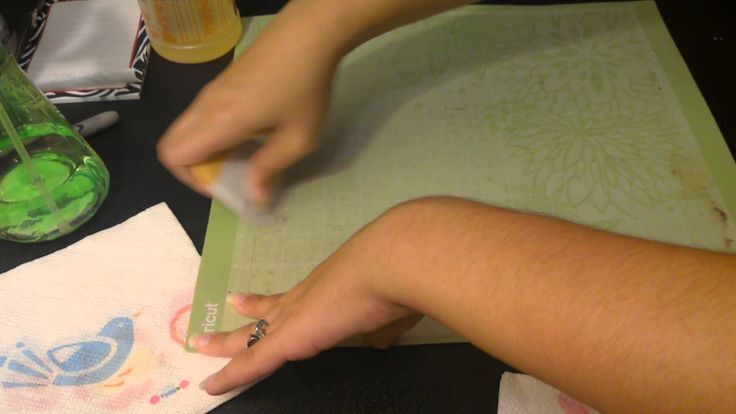
A thorough cleaning can significantly improve the stickiness of your Cricut mat by removing debris and residue that may hinder its performance. The following step-by-step guide Artikels an effective cleaning method:
1. Gather Supplies
Collect warm water, a soft sponge or cloth, and a mild dish soap.
2. Prepare Cleaning Solution
Mix a few drops of mild dish soap into a bowl of warm water.
3. Apply Cleaning Solution
Dip the sponge or cloth into the soapy water, wring it out to remove excess liquid, and gently wipe the surface of the mat in a circular motion.
4. Rinse
Use a separate damp cloth with plain water to wipe away any soap residue from the mat.
5. Dry
Allow the mat to air dry completely before using it again. Ensure the adhesive surface is facing up to avoid collecting dust.This simple cleaning process can restore some of the original stickiness of your mat, making it ready for your next crafting project.
Adhesive Sprays and Solutions
In addition to cleaning, there are various adhesive sprays and solutions available that can effectively re-stick your Cricut mat. These products can provide a quick fix to restore the adhesive properties without the need for extensive cleaning. Below are some recommended options for re-sticking your mat:
Cricut StrongGrip Adhesive Spray
Specifically designed for Cricut mats, this spray provides a temporary bond that works well with heavy materials.
Elmer’s Craft Bond Spray Adhesive
This multipurpose adhesive is suitable for various surfaces and can be easily applied to a Cricut mat.
Aleene’s Tacky Spray
Known for its strong tack and versatility, this adhesive is an excellent choice for ensuring materials stay in place during cutting.Before applying any adhesive, it is essential to follow the manufacturer’s instructions to achieve the best results.
Effectiveness of DIY Solutions Versus Commercial Products
When considering methods to restore stickiness, both DIY solutions and commercial products have their advantages and limitations. Understanding these can help you choose the most suitable option for your needs. DIY Solutions: Creating your own adhesive solution can be cost-effective and environmentally friendly. A common DIY method involves mixing equal parts of water and white school glue, then applying it sparingly to the mat’s surface.
While effective for light materials, this solution may not provide the strong bond necessary for heavier materials. Commercial Products: These are specifically designed to provide reliable stickiness and are often more effective in restoring the original adhesive qualities of your mat. However, they tend to be more expensive than DIY options. In summary, while DIY solutions can be useful in certain situations, commercial products typically offer a more consistent and reliable bond, especially for intricate projects or heavier materials.
Preventative Measures
Maintaining the longevity of your Cricut mats is essential for ensuring optimal performance and achieving high-quality results in your crafting projects. By implementing a few simple practices, you can extend the life of your mats and preserve their stickiness, making your crafting experience more efficient and enjoyable.Adopting proper usage and storage techniques can significantly impact the lifespan of your Cricut mats.
Below are key recommendations to help you maintain their effectiveness over time.
Guidelines for Using Cricut Mats
It is crucial to follow specific dos and don’ts when using Cricut mats to ensure their longevity and functionality. The following list Artikels these important practices: Dos:
- Always keep your mat covered when not in use to prevent dust accumulation.
- Use a scraper tool to gently remove any leftover material after each project.
- Store your mats flat or rolled with the sticky side toward the outside to avoid damage.
- Clean your mat regularly with a mild soap and water solution to maintain stickiness.
- Use the appropriate blade and pressure settings for different materials to avoid excessive wear on the mat.
Don’ts:
- Do not use your mat with materials that are too thick, as they can cause tearing and degradation.
- Avoid touching the sticky surface with your fingers, as oils from your skin can decrease stickiness.
- Refrain from exposing your mat to extreme temperatures or direct sunlight, as these conditions can warp the mat.
- Do not use harsh cleaners or abrasive tools on your mat, as they can damage the adhesive surface.
- Never store your mats in damp or humid environments to prevent mold and degradation.
Proper Storage Practices
Effective storage methods are vital for preventing degradation of Cricut mats. Proper storage minimizes exposure to environmental factors that can adversely affect the adhesive quality. Here are some best practices for storing your mats:
1. Keep Mats Flat
Store your mats flat in a dry, cool place. If space is limited, consider rolling them with the sticky side facing outward, ensuring that they are not tightly rolled to avoid creasing.
2. Use Protective Sleeves
Consider using protective sleeves or envelopes specifically designed for Cricut mats. This can help prevent dust formation and accidental damage.
3. Avoid High Humidity Areas
Store your mats away from bathrooms, kitchens, or other high humidity locations to prevent moisture buildup, which can lead to mold growth.
4. Label Storage
If you own multiple mats of different tackiness, labeling them can help you quickly identify the right mat for each project and ensure that you do not use a less sticky mat when a higher tack is required.By following these preventative measures, you can significantly enhance the lifespan of your Cricut mats, ensuring they continue to serve you well in your crafting endeavors.
Troubleshooting Common Issues
Recognizing and addressing issues with your Cricut mat is essential for ensuring optimal performance during crafting projects. As the mat experiences wear and tear, its stickiness diminishes, leading to potential complications during cutting. This section will Artikel the common symptoms of a losing stickiness, methods to evaluate the condition of your mat, and troubleshooting tips for common cutting problems associated with mat stickiness.
Symptoms of a Cricut Mat Losing Stickiness
As your Cricut mat ages, several indicators can signify a loss of stickiness. Identifying these symptoms early can help you take corrective action before the problems escalate. Look for the following signs:
- Poor Adhesion: Materials no longer stick firmly to the mat, lifting during cutting.
- Uneven Cuts: Inconsistent cutting paths, resulting in jagged or incomplete shapes.
- Material Shifting: Sudden movement or shifting of material, which can lead to misaligned cuts.
- Residue Build-Up: Visible dirt, lint, or adhesive residue on the mat surface affecting stickiness.
Determining if a Mat is Beyond Repair
Assessing whether your Cricut mat can be revived involves checking for specific conditions. A mat may be deemed beyond repair if the following criteria are met:
- Deep Cuts or Grooves: If there are significant cuts or deep grooves on the mat that compromise its surface.
- Severe Wear: The surface appears worn out to the point where it no longer provides any adhesive properties.
- Permanent Stains: Stains or residue that cannot be cleaned, affecting the material’s ability to adhere.
“A mat that shows deep wear may need replacement to ensure high-quality cuts.”
Troubleshooting Tips for Common Cutting Problems
When faced with cutting problems related to mat stickiness, several troubleshooting steps can help restore functionality. Following these guidelines can ensure a smoother crafting experience:
- Clean the Mat: Gently clean the mat surface with warm soapy water using a soft cloth to remove debris and residue.
- Reapply Adhesive: Use a suitable adhesive spray or adhesive sheets designed for Cricut mats to restore stickiness.
- Adjust Material Settings: Ensure that the material settings on the Cricut machine match the type of material being used for accurate cutting.
- Check Blade Condition: Inspect the cutting blade for dullness or damage, as a worn blade can exacerbate cutting problems.
Reviewing Popular Products
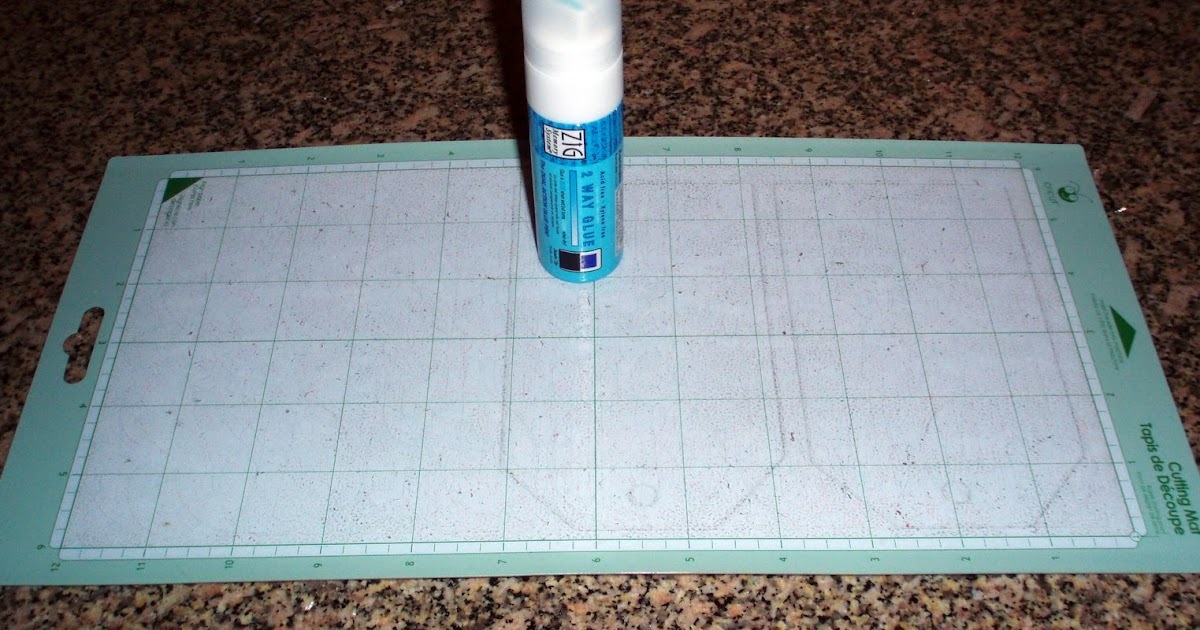
When it comes to restoring the stickiness of Cricut mats, various adhesive solutions are available on the market. Each product claims to offer a different level of effectiveness, ease of use, and durability. Understanding the options can aid in selecting the right product that meets individual crafting needs. This section provides a comparative analysis of popular adhesive solutions, along with user reviews and insights into their availability and costs.
Comparison of Adhesive Solutions
The following table Artikels several popular adhesive solutions used to restore the stickiness of Cricut mats. It highlights essential features, user ratings, and price points to assist in making an informed choice.
| Product Name | Type of Adhesive | Effectiveness Rating | Price Range (USD) | Availability |
|---|---|---|---|---|
| Cricut StrongGrip Adhesive | Spray Adhesive | 4.5/5 | $10 – $15 | Craft stores, online |
| OTX Spray Adhesive | Spray Adhesive | 4/5 | $8 – $12 | Online, some craft stores |
| Avery Removable Label Stickers | Sticker Sheets | 3.5/5 | $6 – $9 | Office supply stores, online |
| Mod Podge Clear Acrylic Sealer | Liquid Adhesive | 4/5 | $8 – $11 | Craft stores, online |
User reviews reveal a wealth of experiences with these products. Many users appreciate the strong hold provided by the Cricut StrongGrip Adhesive, noting its effectiveness for heavier materials. Others have found the OTX Spray Adhesive to be an economical alternative that still performs well for lighter projects. Some reviews highlight the versatility of the Mod Podge Clear Acrylic Sealer, which offers not just stickiness restoration but also additional sealing properties.
However, it is important to note that while some users found success with Avery Removable Label Stickers, others experienced limitations in terms of adhesion longevity.The costs of these products vary, making it essential for users to consider their budget and crafting needs. Adhesive sprays tend to be priced higher, reflecting their formulation and effectiveness. In contrast, sticker sheets and liquid adhesives typically offer a more affordable option, though their performance may differ based on the type of materials used.Overall, the choice of adhesive solution for restoring Cricut mats should be based on individual project requirements, budget constraints, and personal preferences as reflected in user experiences.
User Experiences and Tips
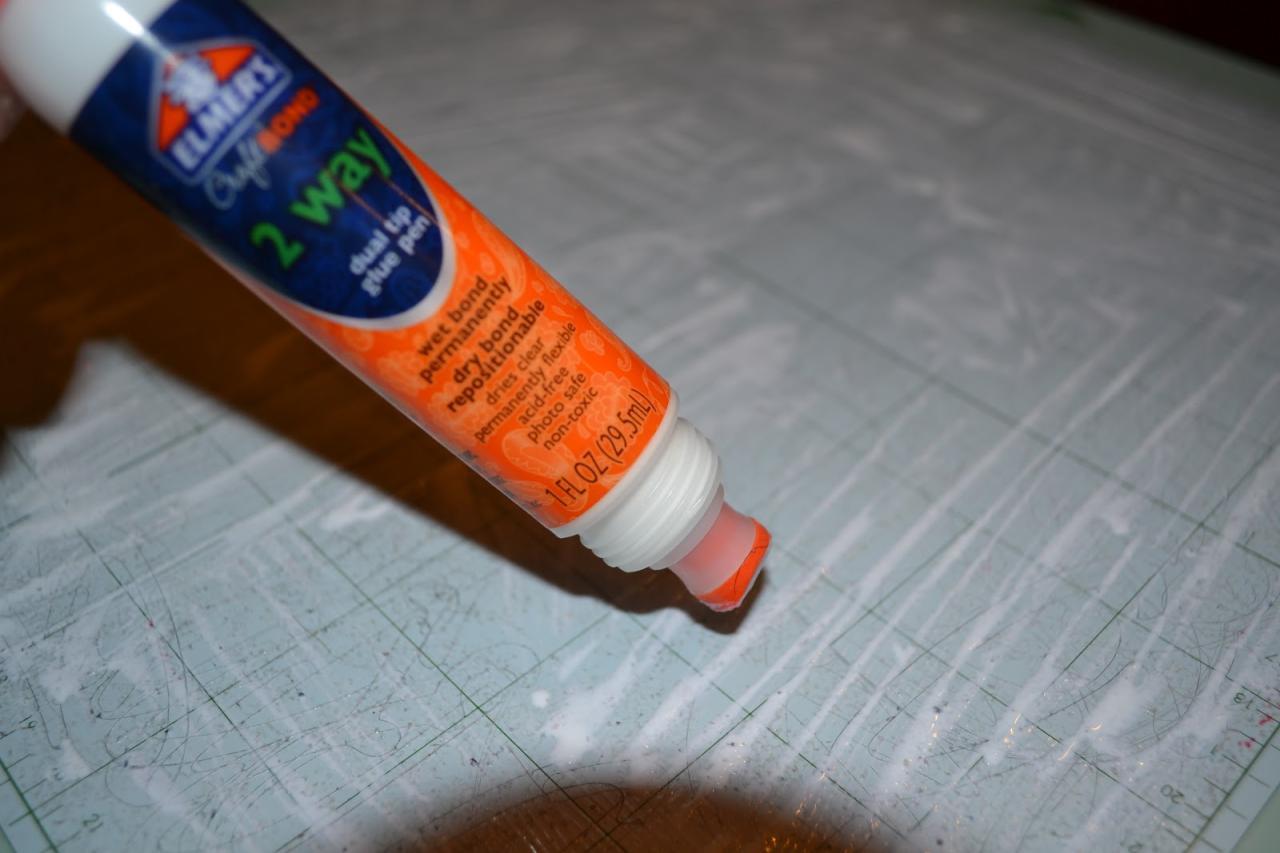
Restoring the stickiness of Cricut mats is a topic that resonates with many crafters. Through shared anecdotes and collective experiences, users have discovered effective methods to rejuvenate their mats, which is crucial for ensuring the longevity and effectiveness of their crafting tools. The crafting community has not only provided testimonials of success but has also shared innovative tips for maintaining mat stickiness over time.
One of the most valuable aspects of user feedback is the diverse range of tips and tricks that have emerged, often based on trial and error. These insights can help both novice and experienced crafters enhance the functionality of their mats, leading to an improved crafting experience.
User Testimonials on Restoring Stickiness
Many users have successfully restored their Cricut mats, sharing their experiences and the methods that worked best for them. For instance, one user mentioned that using a simple mixture of dish soap and water effectively cleaned their mat, allowing it to regain its stickiness. Another crafter shared that after applying a light coat of spray adhesive, their mat became incredibly tacky, enabling precise cuts.
“The combination of cleaning and a light adhesive spray transformed my mat, making it feel brand new!”
These testimonials highlight the importance of maintaining the mat, as users often find that regular care prolongs its life and functionality.
Innovative Maintenance Tips
The crafting community is rich with innovative ideas for maintaining Cricut mats. Users frequently share their best practices, which can greatly aid in preserving the stickiness of the mats. Here are some of the notable tips:
1. Regular Cleaning
Routine cleaning with warm water and a mild detergent helps remove excess debris and residue. Users recommend using a soft sponge for gentle scrubbing.
2. Storage Practices
Keeping mats flat and away from direct sunlight can prevent them from losing their stickiness prematurely. Users advise storing them in a protective sleeve when not in use.
3. Temperature Control
Avoid exposing mats to extreme temperatures, as they can affect the adhesive. Many users emphasize maintaining a stable environment for crafting.
4. Using Transfer Sheets
Some crafters have found that using transfer sheets can help to maintain the stickiness, as they protect the mat during the cutting process, reducing wear and tear.
Best Practices Based on User Feedback
To further assist users in preserving their Cricut mats, a list of best practices derived from community experiences has been compiled. These practices underscore the importance of proactive maintenance and can significantly enhance the durability of the mats.
Immediately Clean After Use
Wipe down the mat after each project to ensure no residue is left behind.
Utilize a Scraper
Using a scraper tool post-crafting can help remove any stuck materials without damaging the adhesive layer.
Apply a Protective Layer
Some users suggest lightly applying a layer of clear contact paper to extend the lifespan of the mat.
Rotate Mat Usage
For those with multiple mats, rotating their usage can prevent any single mat from becoming excessively worn. These practices can lead to a more efficient crafting experience, allowing crafters to get the most out of their Cricut mats while ensuring they remain sticky and effective for various projects.
Crafting Projects and Mat Care
Cricut mats play a vital role in the crafting process, particularly when working with various materials. Understanding how to choose the right projects for your mats, as well as the significance of maintaining their stickiness, can greatly enhance your crafting experience and the quality of your final products.Using a well-maintained Cricut mat allows for smoother cuts and more precise designs.
Conversely, a mat that has lost its stickiness can lead to mishaps, such as shifted materials or incomplete cuts. Below are project ideas that can utilize Cricut mats effectively, regardless of their condition, alongside the influence of mat stickiness on project outcomes.
Project Ideas for Cricut Mats
When exploring project ideas for Cricut mats, consider the following categories. Each category suits different mat conditions, enabling creators to make the most out of their crafting experience.
- Vinyl Decals: Ideal for both sticky and restored mats, creating custom decals for walls, windows, or mugs can transform ordinary items into unique pieces.
- Paper Crafts: Projects like cards, scrapbooking elements, and intricate designs benefit greatly from a sticky mat, ensuring that the materials remain in place during cutting.
- Fabric Projects: For sewing enthusiasts, using a Cricut mat to cut fabric for quilts or apparel works best with a well-maintained sticky mat, preventing fabric from shifting and ensuring accuracy.
- 3D Paper Models: Constructing three-dimensional structures, such as paper flowers or boxes, requires precision, making a sticky mat essential to hold the intricate pieces securely.
Impact of Mat Stickiness on Project Outcomes
The level of stickiness on a Cricut mat significantly affects the crafting results. A sticky mat ensures that the material is securely adhered during the cutting process, resulting in clean, precise cuts. In contrast, a mat that has lost its adhesive quality can cause materials to shift, leading to:
Misaligned cuts, resulting in wasted materials and time.
To achieve the best outcomes, it is advisable to frequently assess the stickiness of your mat, particularly before undertaking complex projects where precision is key.
Choosing the Right Mat for Specific Projects
Selecting the appropriate Cricut mat is crucial for the success of various crafting projects. Different mats are designed with varying levels of stickiness and texture, which suit specific materials and project types. The following types of mats are commonly used:
- Standard Grip Mat: Versatile for a wide range of materials, this mat is suitable for medium-weight materials such as cardstock and patterned paper.
- Light Grip Mat: Best for delicate materials like printer paper and thin cardstock, this mat provides just enough stickiness to hold lightweight materials in place.
- Strong Grip Mat: Ideal for thicker materials such as fabric, wood, and chipboard, ensuring they remain stable during cutting.
- Fabric Mat: Specialized for fabric projects, this mat holds fabric securely while allowing for clean cuts without fraying.
Selecting the right mat enhances the crafting experience by ensuring that materials stay in place, thereby enabling more precise and successful project outcomes.
Last Word
In conclusion, maintaining the stickiness of your Cricut mat is vital for ensuring seamless crafting experiences and achieving professional-quality results. By implementing the strategies Artikeld in this guide, you can not only restore your mat’s functionality but also prolong its life through proper care and storage practices. Embrace these tips and tricks to keep your crafting journey enjoyable and successful, allowing your creativity to flourish with every cut.