How to Use Patterned Iron-On for Unique Designs opens up a world of creativity and personalization, allowing you to transform ordinary fabrics into extraordinary pieces that reflect your individual style. This guide will take you on a journey through the various types of patterned iron-on materials available, the tools needed for application, and the techniques that can elevate your crafting experience to new heights.
With an array of options at your disposal, you can create unique designs that stand out, whether you’re customizing clothing, accessories, or home decor items. The combination of innovation and artistry in patterned iron-ons provides endless opportunities for self-expression, making it an exciting endeavor for both novice and experienced crafters alike.
Understanding Patterned Iron-On Materials

Patterned iron-on materials present a vibrant and versatile option for crafters and designers looking to add unique visual elements to fabrics. These materials are designed to adhere to various fabric types using heat, making them an excellent choice for personalizing clothing, home décor, and craft projects. In understanding these materials, it is essential to explore the different types available, their properties, and the brands that excel in this market.Patterned iron-on materials come in several varieties, each tailored for specific applications and fabric types.
These materials can generally be categorized into the following types:
Types of Patterned Iron-On Materials
The selection of patterned iron-on materials is diverse, allowing users to achieve different aesthetics and functionalities. Here are some popular types:
- Heat Transfer Vinyl (HTV): A popular choice for its flexibility and durability, HTV comes in various patterns and colors. When applied with heat, it adheres well to cotton, polyester, and blends, making it suitable for t-shirts and activewear.
- Printable Iron-On Transfers: These allow users to print custom designs onto special transfer paper. After printing, the design can be applied to fabric using a heat press or iron. This type is great for personalized items like custom shirts and tote bags.
- Glitter Iron-On: For a more glamorous touch, glitter iron-on materials provide a sparkling effect. They are perfect for adding flair to costumes, party wear, and children’s clothing, available in various glitter patterns and colors.
- Patterned Fabric Transfers: These transfers feature intricate designs or images that are printed onto a transfer medium. They work well for adding detailed illustrations or artwork to fabric items.
- Flocked Iron-On Transfers: These offer a soft, textured finish that resembles suede or velvet. Flocked materials are commonly used for logos and decorative touches on apparel, providing a luxurious feel.
The properties of patterned iron-on materials make them suitable for various applications. These materials are designed to withstand washing and wearing, ensuring that the designs remain intact over time. The adhesive used in these products is typically formulated to bond effectively with fabric fibers when heat is applied, making them resilient against fraying and peeling.
Popular Brands Offering Patterned Iron-On Options
Several reputable brands lead the market in providing quality patterned iron-on materials. Their products are widely recognized for durability and ease of use, catering to both beginner and advanced crafters:
- Cricut: Known for its high-quality heat transfer vinyl and printable iron-on materials, Cricut offers an extensive range of patterns and colors, suitable for numerous fabric types.
- Siser: This brand specializes in HTV and offers a variety of patterned and textured options, making it a go-to for many professional designers and hobbyists alike.
- Thermoflex: Thermoflex produces some of the highest-quality heat transfer materials that are easy to cut and weed, ideal for detailed designs.
- Silhouette: Alongside its cutting machines, Silhouette provides a range of iron-on products known for their vibrant colors and patterns that appeal to creative individuals.
- Stahls’: A leader in the heat transfer market, Stahls’ supplies a wide array of patterned and specialty heat transfer products aimed at customization.
Patterned iron-on materials not only enhance the aesthetic appeal of fabric items but also offer a practical solution for customization and personalization in crafting.
Preparing Your Design
Creating a unique design suitable for patterned iron-on applications begins with a thoughtful approach to both your creative concept and the technical execution. The process involves careful planning, the use of design software, and an understanding of material compatibility. By following specific steps and utilizing design tools effectively, you can achieve visually appealing results that stand out.The first step in preparing your design is to decide on the theme or message you wish to convey.
Once you have a clear idea, you can start sketching or brainstorming your design elements. Using design software allows for flexibility in customizing your creations. The following tips will help you navigate this process effectively.
Utilizing Design Software for Customization
Design software can greatly enhance your ability to create unique designs. Here are essential considerations and steps for utilizing design programs effectively:
1. Choose the Right Software
Select design software that suits your skill level and design needs. Options like Adobe Illustrator or CorelDRAW offer advanced features, while simpler tools like Canva may be suitable for beginners.
2. Set Up Your Canvas
Ensure your canvas is set to the correct dimensions for your intended iron-on application. Consider the final size of your design to avoid any scaling issues.
3. Use Vector Graphics
Creating your designs with vector graphics is crucial as it ensures your images remain sharp and clear when resized. This is particularly important for iron-on applications, where clarity is vital.
4. Layering Techniques
Utilize layers to separate different elements of your design. This approach allows for easier adjustments and modifications, enabling you to experiment with various looks and styles.
5. Color Selection
Choose colors that will work harmoniously with your fabric. Consider the fabric’s texture and color; vibrant patterns may require a solid background for contrast, whereas subtle patterns might blend well with similarly toned fabrics.
6. Exporting Formats
When your design is complete, export it in the appropriate format for printing. Common formats include PNG or SVG, which maintain quality and transparency.
Considerations for Color and Pattern Compatibility
The compatibility of colors and patterns with your chosen fabric significantly impacts the final outcome of your design. Understanding these aspects can lead to more successful applications.
Fabric Type
Different fabrics absorb color in unique ways. Cotton tends to hold colors well, while synthetic fibers may require special settings or adjustments to achieve the intended results.
Pattern Scale
Consider the scale of your pattern in relation to the size of your fabric. Larger patterns may dominate small items, while intricate designs can get lost on larger surfaces.
Color Fastness
Ensure that the colors used in your design are suitable for the fabric and the iron-on process. Not all colors work well with heat transfer; some may fade or change upon application.
Testing Swatches
Before finalizing your design, create swatches to test color and pattern combinations. This allows you to see how the design looks on the actual fabric, ensuring the desired effect is achieved.
“The success of an iron-on design lies in the thoughtful selection of colors and patterns that harmonize with the fabric.”
By following these steps and considerations, you can create designs that are not only unique but also well-suited for patterned iron-on applications, ensuring a professional and polished final product.
Tools and Equipment Needed
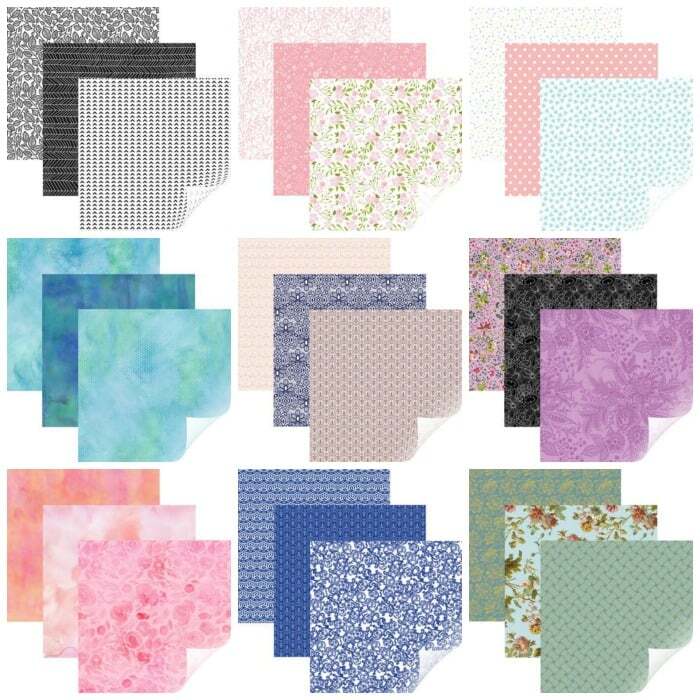
When working with patterned iron-on materials, having the right tools and equipment is essential for achieving a professional and polished result. Each tool plays a specific role in the application process, ensuring that the transfer is applied smoothly and effectively. Below is an overview of the essential tools you will need for working with patterned iron-on materials.To successfully apply patterned iron-on materials, it is crucial to understand the function of each tool involved in the process.
These tools not only facilitate the transfer but also contribute to the quality and longevity of the designs. Below is a detailed list of essential tools along with their respective roles in the application.
Essential Tools and Their Functions
The following table provides a concise overview of the recommended tools for applying patterned iron-on materials, along with brief descriptions of their functions:
| Tool | Description |
|---|---|
| Iron or Heat Press | The primary tool used to apply heat and pressure to the iron-on material, ensuring proper adhesion to the fabric. |
| Weeding Tool | A fine-point tool used to remove excess vinyl from the design, allowing for clean and precise applications. |
| Transfer Tape | A sticky sheet that helps to transfer the design from the backing to the fabric, ensuring accurate placement. |
| Cutting Machine | An electronic device that cuts the patterned iron-on material into the desired shape and design. |
| Heat Resistant Sheet | A protective layer placed between the iron or heat press and the patterned material to prevent scorching. |
| Fabric or T-Shirt | The base material onto which the patterned iron-on will be applied, ensuring it is clean and wrinkle-free. |
| Ruler or Measuring Tape | Tools for measuring and positioning the design accurately on the fabric before application. |
Each of these tools contributes uniquely to the overall process, ensuring that the application of patterned iron-on materials is both effective and achieves the desired aesthetic outcome. Understanding their individual roles will enhance your crafting experience and yield impressive results.
Application Techniques
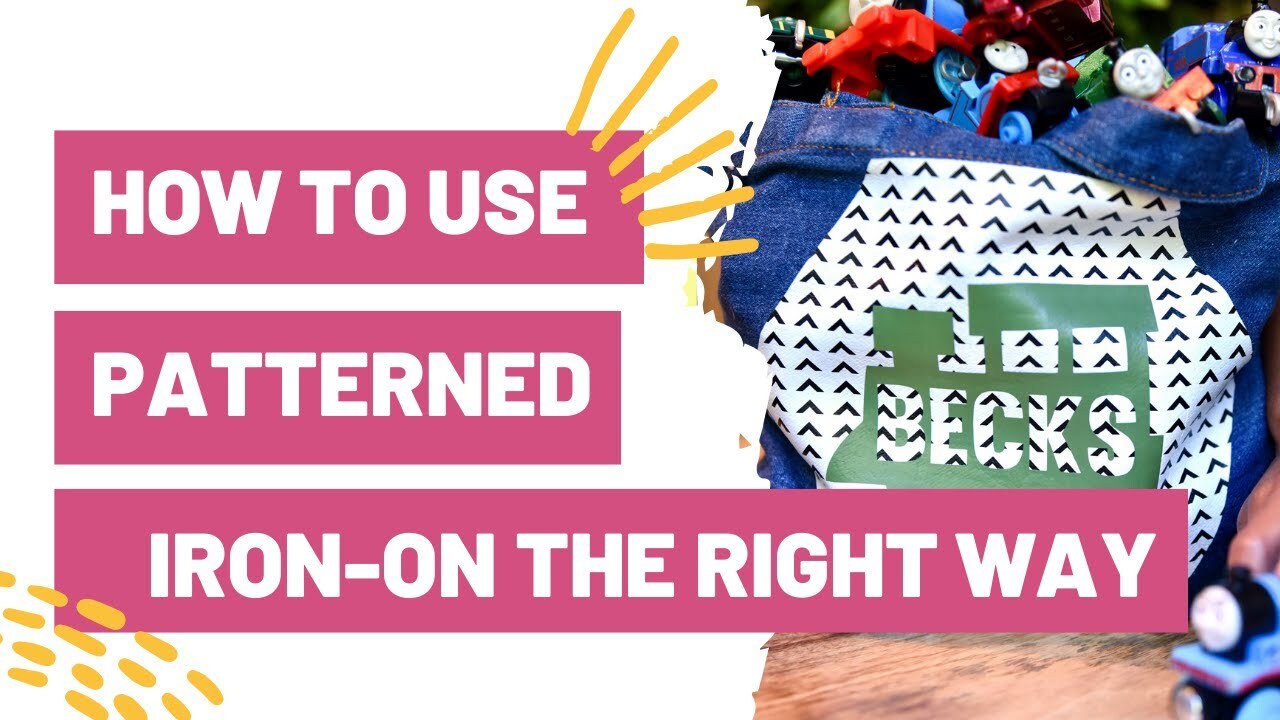
Applying patterned iron-on materials to fabric involves specific techniques that ensure durability and aesthetic appeal. Mastering these methods not only enhances the quality of your project but also allows for creativity and personalization in your designs. Understanding the appropriate application techniques can significantly impact the effectiveness of the transfer process.Different methods exist for applying patterned iron-on materials to fabric, each suitable for various project needs.
The most commonly used method is the heat press, which provides consistent temperature and pressure, ensuring even adhesion. Other techniques include using a home iron and applying by hand, which may work for smaller designs or quick fixes. Each method requires careful attention to detail to achieve optimal results.
Heat Press Application Technique
The heat press application technique is favored for its efficiency and effectiveness in adhering patterned iron-on materials. The following step-by-step process Artikels how to properly use a heat press for your project:
1. Preheat the Heat Press
Set the temperature according to the manufacturer’s instructions for the iron-on material you are using, typically between 300°F to 350°F (150°C to 180°C).
2. Prepare the Fabric
Ensure that the fabric is clean, dry, and wrinkle-free for optimal adhesion. Pre-press the fabric for a few seconds to remove any moisture and wrinkles.
3. Position the Design
Place the patterned iron-on material onto the fabric in the desired position, ensuring it is straight and centered.
4. Cover with a Protective Sheet
Place a Teflon sheet or parchment paper over the design to protect both the heat press and the material during application.
5. Apply Heat and Pressure
Close the heat press and apply the recommended pressure for the specified time, usually around 10-15 seconds. Ensure that the press is evenly distributed over the design.
6. Peel the Backing
After the time is up, slowly lift the heat press. Allow the design to cool for a few seconds before gently peeling off the backing. For cold peel materials, let it cool completely before peeling.
7. Finishing Touches
If required, cover the design again with a protective sheet and press for a few more seconds for added durability.Common mistakes can detract from the success of your application. One prevalent error is not preheating the fabric adequately, which may lead to poor adhesion. Overheating or applying excessive pressure can also cause the material to scorch or warp. Additionally, neglecting to cover the design with a protective sheet can result in damage during the pressing process.
Finally, failing to properly align the design may lead to crooked or misaligned transfers. By avoiding these pitfalls and following the Artikeld steps, you can achieve professional-looking results with patterned iron-on materials.
Creative Project Ideas
Utilizing patterned iron-on materials opens a realm of creativity and personalization for various projects. These versatile materials can transform ordinary items into unique and stylish creations, allowing individuals to express their personal style or craft memorable gifts for others.The potential projects that can incorporate patterned iron-on materials are virtually limitless. Each project provides an opportunity to showcase individuality and creativity, and the customization possibilities enhance the appeal of the final products.
Below is a list of items that can be customized using these materials, illustrating the range of applications available.
Items That Can Be Customized
Many everyday items can be transformed with patterned iron-on materials. This customization not only reflects personal style but can also serve as thoughtful gifts. Consider the following options:
- T-shirts: Personalize with unique patterns or text for a one-of-a-kind fashion statement.
- Tote bags: Add colorful designs or motivational quotes to elevate everyday carry items.
- Home decor: Create custom pillow covers, table runners, or wall hangings that reflect personal aesthetics.
- Aprons: Design fun, themed aprons for cooking enthusiasts or for special occasions.
- Hats: Incorporate unique patterns or logos to add flair to headwear.
- Sweatshirts: Utilize warm and cozy designs for seasonal wear, ensuring comfort with style.
- Blankets: Enhance throw blankets with creative patterns for a cozy and personalized touch.
The impact of these projects extends beyond mere aesthetics. Customizing items with patterned iron-on materials allows individuals to convey their personality through thoughtful design. Furthermore, these personalized creations make exceptional gifts, demonstrating care and consideration. A customized item, whether a T-shirt or a home decor piece, offers recipients a unique experience, making the gifts memorable and cherished. These projects not only enhance personal style but also foster a sense of connection through meaningful, handcrafted items.
Care and Maintenance of Iron-On Designs
Caring for fabrics adorned with patterned iron-on designs is essential to ensure their longevity and vibrant appearance. Proper maintenance not only preserves the aesthetic quality of the designs but also prevents premature wear and tear, thereby extending the life of your projects. Understanding the best practices for caring for these materials will help you maintain their integrity over time.The longevity of patterned iron-on designs is influenced by various factors such as the type of fabric, washing techniques, and exposure to elements.
To preserve the unique characteristics of your designs, it is crucial to follow specific care practices that minimize damage. Below are some best practices to maintain the quality of your iron-on designs:
Best Practices for Caring for Iron-On Designs
To effectively care for fabrics with patterned iron-on designs, adhering to the following practices is recommended:
- Washing: Always wash items inside out to protect the iron-on design from friction and abrasion. Use cold water and a gentle cycle to minimize stress on the material.
- Drying: Air drying is the most recommended method, as high heat from dryers can cause the adhesive to break down. If using a dryer, select a low heat setting.
- Ironing: When ironing, place a thin cloth over the design to prevent direct contact with the iron. Ensure the iron is set to the appropriate heat level for the fabric type.
- Storage: Store items in a cool, dry place, and avoid folding them in ways that may crease the design. Hanging garments or laying flat can help maintain their shape.
To further understand how different washing techniques impact the longevity of patterned iron-ons, the following comparison table Artikels various methods and their effects:
| Washing Technique | Effect on Patterned Iron-On |
|---|---|
| Cold Water, Gentle Cycle | Minimal wear, preserves design quality |
| Hot Water, Regular Cycle | Increased risk of peeling and fading |
| Air Dry | Best for preserving adhesive; no heat damage |
| High Heat Dryer | Can cause designs to shrink or peel |
| Direct Ironing | High risk of melting or damaging the design |
“Proper care and maintenance of patterned iron-on designs can significantly extend their life and preserve their vibrant appearance.”
Troubleshooting Common Issues
Applying patterned iron-ons can sometimes lead to challenges that may hinder your creative projects. Understanding these common problems and their solutions is vital for achieving the best results. This section discusses typical issues that arise during the application process, along with practical solutions and preventive measures to enhance future projects.
Common Problems During Application
Several issues can occur when applying patterned iron-ons, impacting the final appearance and durability of your designs. The following points Artikel prominent challenges along with their corresponding solutions:
- Peeling: Peeling occurs when the edges of the iron-on design lift away from the fabric. This can result from insufficient heat or pressure during application.
- Bubbling: Bubbling manifests as air pockets trapped under the material, often due to excess moisture or incorrect heat settings.
- Misalignment: Misalignment happens when the design is not positioned correctly on the fabric, leading to an uneven application.
Each of these issues can be addressed effectively. For peeling, ensuring the use of appropriate heat settings and applying consistent pressure with the iron can significantly reduce this problem. When bubbling occurs, it is advisable to let the fabric cool before peeling off the backing and to use a lower heat setting if moisture is present. Proper positioning before pressing down on the iron-on is crucial for preventing misalignment; using guidelines or templates can aid in achieving accuracy.
Preventive Measures
Preventing issues during the application of patterned iron-ons can save time and enhance the quality of your projects. The following strategies can help minimize risks:
- Pre-wash the fabric: Washing fabric prior to application removes any residues that may interfere with adhesion.
- Use a test piece: Testing the application process on a scrap piece of fabric can help gauge the correct temperature and pressure.
- Follow manufacturer guidelines: Adhering to the specific instructions provided with your patterned iron-on materials ensures optimal results.
- Invest in quality tools: Utilizing a reliable iron and a heat press, if possible, can provide better control over heat distribution and pressure.
By implementing these preventive measures, the likelihood of common problems occurring during the application of patterned iron-ons can be significantly reduced, leading to more successful and satisfying crafting experiences.
Exploring Advanced Techniques

The use of patterned iron-ons can elevate your crafting projects, allowing for a more personalized and artistic expression. By mastering advanced techniques, you can create intricate designs that showcase a higher level of skill and creativity. This section explores the methods for layering patterned iron-ons and utilizing multiple colors or textures, along with expert tips to ensure your projects yield professional results.
Layering Patterned Iron-Ons for Complex Designs
Layering patterned iron-ons can lead to stunning, multi-dimensional designs that stand out. This technique involves applying several layers of different iron-on materials to create depth and texture.To successfully layer patterned iron-ons, consider the following steps:
1. Choose Compatible Materials
Select materials that can withstand the heat of the iron application. For instance, some specialty vinyls may require lower temperatures.
2. Plan Your Design
Sketch out your design beforehand to visualize how each layer will interact with one another. This helps in determining which pieces to apply first.
3. Layer Order
Start by applying the base layer first, which serves as the foundation for additional layers. For example, if using a floral pattern, the larger blooms should be applied before the smaller details.
4. Heat Application
Use a heat press if possible, as it provides consistent temperature and pressure. If using an iron, ensure you have even pressure during application.
5. Cooling Time
Allow each layer to cool completely before applying the next to avoid shifting or wrinkling.
Layering can transform a simple design into a rich tapestry of colors and textures, enhancing the overall aesthetic.
Utilizing Multiple Colors or Textures
Incorporating multiple colors and textures within a single project creates visual interest and complexity. This requires careful selection and application techniques to ensure all elements work harmoniously.When working with various colors or textures, follow these guidelines:
Select a Color Palette
Choose a cohesive color scheme that complements your project’s theme. For instance, pastel colors work well for a soft, whimsical design, while bold colors create a vibrant statement.
Texture Variation
Incorporate different textures, such as glitter, metallic, or matte finishes, to enhance the tactile quality of your design. For example, a glittery iron-on can be used for accents against a matte background.
Test Applications
Before executing your final design, create a sample application on a scrap piece to gauge how the colors and textures look together when layered.
Adjusting Heat Settings
Different materials require different heat settings. Always refer to the manufacturer’s instructions to avoid damaging your iron-on materials.
Achieving a stunning multi-textured look involves understanding each material’s properties and how they interact with one another.
Expert Tips for Professional-Looking Results
Achieving a polished finish in your patterned iron-on projects can be accomplished with some careful considerations and techniques.Implement the following tips to enhance the quality of your work:
Use a Clean Workspace
Ensure your work surface is clean and free of dust or debris that could interfere with the adhesion of your iron-ons.
Pre-Pressing Fabric
Before applying your iron-on designs, pre-press the fabric for a few seconds to remove moisture and wrinkles, creating a smoother surface for application.
Use a Parchment Paper Barrier
When applying heat, place a piece of parchment paper over your design. This protects both the iron and the iron-on material, preventing potential damage from direct heat.
Post-Application Care
Allow the iron-on design to cool completely and adhere properly before handling the fabric. Consider applying a heat-resistant cover to protect the design during washing.By following these advanced techniques, you can create intricate and beautifully layered designs that are both unique and professionally finished.
Closure
In conclusion, mastering the art of using patterned iron-on materials not only enhances your crafting skills but also allows you to produce stunning designs that showcase your personality and creativity. By understanding application techniques, troubleshooting common issues, and exploring advanced layering methods, you can achieve professional-quality results that will impress anyone who sees your work. Embrace the process, experiment with different designs, and let your creativity shine through every project you undertake.